Transom-mount trolling motors offer quiet, precise control and extended time on the water for anglers across the United States. When choosing a model, consider thrust, shaft length, and whether the motor is built for freshwater, saltwater, or both. Also weigh control options, such as a tiller handle or a remote, and how easy the mount is to adjust or remove. The following five motors balance power, reliability, and value, helping you pick a best-fit option for your boat and fishing style.
The table below highlights the core specs at a glance. Use it to compare thrust, shaft length, and water suitability before diving into product profiles.
| Product | Thrust | Shaft | Water Type |
|---|---|---|---|
| Minn Kota Endura C2 – 30 Lb, 30″ | 30 Lb | 30 in | Freshwater |
| Newport NV-Series – 62 Lb, 36″ | 62 Lb | 36 in | Saltwater |
| Minn Kota Endura C2 – 40 Lb, 36″ | 40 Lb | 36 in | Freshwater |
| AQUOS Cayman T – 55 Lb, 39″ | 55 Lb | 39 in | Saltwater & Freshwater |
| VEVOR 55 Lb, 30″ | 55 Lb | 30 in | Saltwater & Freshwater |
Minn Kota Endura C2 30 Lb Transom Motor
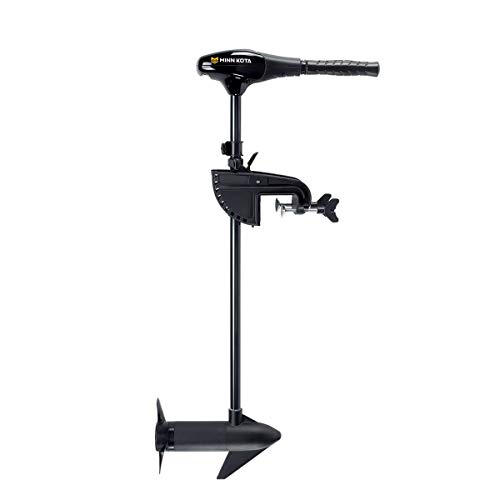
This freshwater model provides reliable propulsion for smaller craft with a practical balance of power and handling. The 30-pound thrust is suitable for calm to moderately windy days on smaller boats, and the 30-inch shaft helps keep the prop on the proper depth in shallow water. The Endura C2 emphasizes durability with a Lever Lock Bracket and UV-resistant materials, while the six-inch Telescoping Tiller enables easy, ergonomic operation from a seated or standing position.
- Lever Lock Bracket: 10-position, quick-release lever
- Telescoping Tiller: 6-inch adjustment for comfort
- 5 forward / 3 reverse speeds
Newport NV-Series 62lb Transom Trolling Motor

The Newport NV-Series offers substantial power for larger boats and tougher water. Its 62-pound thrust and 36-inch shaft provide robust performance in saltwater environments, and the 8-speed system (5 forward, 3 reverse) delivers precise control for trolling and maneuvering. The motor includes a 5-LED battery meter to monitor charge and a 3-blade propeller that enhances low-end torque. The mount height and angle are adjustable, enabling easy trim adjustments and reliable operation in varying seas.
- 62 lb thrust
- 36″ shaft
- 5-LED battery meter
- 6″ telescoping tiller
- 8 speeds (5 forward, 3 reverse)
Minn Kota Endura C2 40 Lb Transom Motor
This mid-power option increases thrust to 40 pounds while preserving the familiar Endura C2 design. A 36-inch shaft provides solid reach for boats with deeper transoms, and the features mirror the 30-lb model with a durable Lever Lock Bracket, a six-inch Telescoping Tiller, and five forward / three reverse speeds. It suits anglers who need more punch without stepping up to high-thrust, saltwater-ready units.
- Lever Lock Bracket: 10-position, quick-release
- Telescoping Tiller: 6-inch adjustability
- 5 forward / 3 reverse speeds
AQUOS Haswing Cayman T 55Lbs Transom Trolling Motor

The Cayman T blends saltwater and freshwater capability with a convenient remote control. At 55 pounds of thrust and a 39-inch shaft, it’s well-suited for larger boats that demand reliable performance in tougher conditions. The remote (2.4 GHz) provides hands-free steering, while a tilt range up to 85 degrees helps tailor depth and angle. A multi-level LED battery reader keeps power status visible, and the corrosion-resistant motor head is designed to withstand marine environments.
- Remote control included (handheld)
- 0–85 degree tilt position
- 3-level LED battery indicator
- Saltwater and freshwater capable
VEVOR 55Lb Transom Trolling Motor

The VEVOR motor delivers 55 pounds of thrust with eight speeds (five forward, three reverse) and a 30-inch shaft, making it versatile for a wide range of boats and water conditions. It features an adjustable telescoping handle (6.3 to 10.6 inches) and a transom mount that accommodates different stern configurations. Its 3-blade propeller offers improved low-end torque and smoother movement, while the unit’s build emphasizes reliability for saltwater and freshwater use alike.
- 55 lbs thrust
- 30″ shaft
- 8 speeds (5 forward, 3 reverse)
- Adjustable 6.3″–10.6″ telescoping handle
- Suitable for freshwater and saltwater
Buying Guide
Key Considerations When Choosing a Transom Trolling Motor
When evaluating transom motors, start with thrust suitable for your boat size and typical load. A larger craft or a boat operated in windy or current-heavy conditions benefits from higher thrust, while smaller boats can manage with lighter models. Shaft length matters for ensuring the prop stays in the water column at the right depth; a longer shaft helps in deeper transoms or choppier water. Water type is crucial: saltwater models feature corrosion-resistant materials and coatings, while freshwater units may be lighter and simpler. Finally, decide between tiller control for straightforward steering or a remote for hands-free trolling in various positions.
Saltwater vs Freshwater Motors
Saltwater motors require corrosion-resistant hardware, seals, and coatings to combat salt exposure. They are typically slightly heavier and may cost more, but they offer longer lifespans in harsh marine environments. Freshwater motors prioritize light weight and cost efficiency, making them ideal for lakes and rivers with minimal salt exposure. If you fish in mixed or coastal waters, look for models explicitly rated for both environments or plan to rinse and maintain the motor after salt use to extend its life.
Tiller Versus Remote Controls
Tiller-controlled models are simple, reliable, and often lighter, with direct, tactile handling ideal for anglers who prefer immediate, hands-on control. Remote-controlled motors provide unrestricted steering from the cockpit and can reduce fatigue on long runs, especially when fishing in tricky spots. Consider your boat layout, seating position, and whether you frequently troll with guests or coordinates from shore when choosing between tiller and remote configurations.
Sizing, Installation And Maintenance
Choose a motor with a shaft length that places the propeller consistently below the hull’s waterline in typical conditions. Mounts should fit your transom height and stern profile, with compatible fasteners and optional tilt features for shallow water. Regular maintenance—rinsing after saltwater use, greasing moving parts, and inspecting the propeller for debris—extends motor life. Finally, check warranty terms and customer support quality, as fishing electronics benefit from solid post-purchase service.
Performance, Noise, And Battery Considerations
Power delivery and efficiency affect day-long fishing sessions, especially when trolling through weed beds or current. A low-noise motor helps prevent spooking fish, while a clear battery meter helps prevent a mid-trip power loss. Ensure your boat’s battery system matches the motor’s voltage and that you have a plan for charging and storage when not in use. If you frequently fish in remote areas, prioritize longer runtime, quicker response, and robust propulsion in both calm and choppy water.