Choosing tires and tire-related parts for a 2012 Honda Odyssey can boost safety, ride comfort, and overall performance. This guide highlights five Amazon options focused on tires and tire-monitoring needs for Odyssey models from the era. The selections cover tire-pressure monitoring sensors, a full tire set, and related components that influence handling and stability on the road. All options align with OE part numbers and common Odyssey compatibility, including 2011-2017 models. Use the quick table below to compare brands and core features at a glance, then explore detailed product sections for installation notes, battery life, and relearn requirements.
| Product | Brand | Key Feature |
|---|---|---|
| Jsueng 315MHz TPMS Sensor Kit | Jsueng | OE part numbers; Odyssey compatibility; 5-8 year battery life |
| WANDA ATV Tire Set 4Pcs | WANDA | Full 4-tire set; ATV/Odyssey compatibility note; rugged terrain grip |
| PM Auto Front Shocks For Odyssey | PM Auto | Direct fit for 2011-2012 Odyssey; solid installation |
| X AUTOHAUX TPMS Sensor 4-Pack | X AUTOHAUX | 4 sensors; 315MHz; OE part numbers covered |
| TAUTOY TPMS Sensor Kit | TAUTOY | 42753 sensors; wide Odyssey compatibility; -40°C to 125°C |
Jsueng 315MHz TPMS Sensor Kit for Odyssey

The Jsueng TPMS sensor kit mirrors OEM part numbers designed to fit a broad range of Honda models, including the Odyssey. It supports multiple part numbers such as 42753SNAA83 and 42753TR3A81, ensuring compatibility with popular Odyssey transit configurations from 2011 through 2020. Each sensor is battery-powered and engineered for extended life, with a claimed lifespan of 5-8 years under normal use and operation across temperatures from -40°C to +125°C. The kit’s 315MHz frequency aligns with many factory and aftermarket TPMS ecosystems, supporting reliable tire pressure data transmission.
What to know before installing: sensors may require relearning or programming to pair with your vehicle’s TPMS module. Some Odyssey models prefer a specific relearn sequence that’s outlined in the owner’s manual or service guide. While the sensors claim broad compatibility, it’s important to verify the OE numbers listed in your vehicle paperwork to ensure a perfect match. Proper installation should preserve wheel balance and avoid air leaks. If you’re replacing sensors after a tire rotation or a flat, confirm that each sensor’s battery quality and chip function remains intact.
WANDA 4Pcs ATV Tire Set

The WANDA set provides a full four-tire replacement option described for Honda ATV models such as TRX125 or 200SX Odyssey FL250, with a low-profile design intended to enhance stability and control on varied terrains. The kit’s knobby or dimpled tread approach aims to deliver improved bite in loose or packed surfaces, potentially translating to better grip during seasonal road conditions. While designed for off-road or utility applications, these tires can complement a broader Odyssey maintenance plan when used on compatible platforms or as part of a replacement strategy for specific vehicle setups that mirror the original tire footprint.
Important considerations include confirming compatibility with your exact Odyssey vehicle type and wheel size. The torque, load rating, and speed rating should align with the vehicle’s OEM specifications to maintain handling and safety. For on-road use, assess whether these tires meet local regulations and maintenance practices. If in doubt, consult a tire professional to confirm the set’s fit and performance for your Odyssey’s typical driving conditions.
PM Auto Front Shocks For Odyssey

PM Auto’s front strut-and-coil-spring assembly is listed as a direct-fit option for 2011-2012 Honda Odyssey models. While not a tire, these components influence ride height, damping, and overall handling—factors that interact with tire performance and road feel. The listing emphasizes fit accuracy and timely shipment, which can reduce vehicle downtime during maintenance. When integrating new shocks into a tire-focused plan, ensure the wheels are properly aligned after installation to maintain tire wear patterns and steering responsiveness. This approach helps preserve tire longevity and vehicle stability on daily commutes and longer trips.
As a general rule, verify that the vehicle year, trim, and engine configuration match the listing, and consider a professional installation if you are replacing struts for the first time. A balanced suspension system supports even tire wear and consistent braking performance across road surfaces and weather conditions.
X AUTOHAUX TPMS Sensor 4-Pack

X AUTOHAUX offers a four-pack of TPMS sensors designed around common OEM part numbers, including 42753-TR3-A81, 42753-SNA-A81, and 42753-SNA-A830-M1. These 315MHz sensors are marketed as easy to install and do not require extra hardware, though a standard relearn step is typically required to synchronize with the vehicle’s computer. The sensors support Odyssey models from 2011 to 2017 and also reference compatibility with related Honda models. Battery life and temperature tolerance align with typical TPMS standards, and the wide part-number coverage can simplify matching to your vehicle’s specific sensor type.
Before purchasing, confirm that your Odyssey’s year and trim align with the listed compatibility, and review the relearn instructions in your owner’s manual. After installation, perform a relearn drive or a service tool procedure as recommended to restore accurate tire-pressure readings across all wheels.
TAUTOY TPMS Sensor Kit
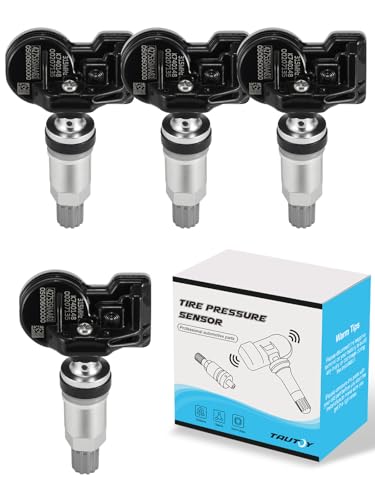
TAUTOY provides a 4-pack of TPMS sensors including part numbers such as 42753-TR3-A81 and 42753SNAA81, designed for a broad range of Honda vehicles, including Odyssey models from 2011-2017, Insight, Element, CR-Z, Civic, and even Acura CSX. The kit emphasizes durability with a CR2032-type battery and a chip optimized for strong signal strength and tire-condition monitoring. The operating range is stated as -40°C to 125°C, which matches typical regional conditions in the United States. The product highlights the need for a relearn procedure to pair with the vehicle after sensor installation.
For best results, verify the exact OE numbers your vehicle requires and prepare for the relearn step as described in your owner’s manual. After replacement, inspect the valve stems and wheels for any signs of air leaks, and consider a professional tire shop to conduct a full sensor test and system confirmation.
Buying Guide
Buying tires and tire-related components for a 2012 Honda Odyssey involves balancing compatibility, durability, and maintenance requirements. The following considerations help buyers compare options and choose parts that support safety and comfort on daily drives and family trips.
- TPMS sensor compatibility and frequency: Most aftermarket sensors for Odysseys use 315MHz to communicate with the vehicle’s TPMS module. Verify the exact OE part numbers your model requires (for example, 42753SNAA81 or 42753-TR3-A81) and ensure the sensor’s frequency matches your vehicle’s system.
- Battery life and temperature tolerance: Quality TPMS sensors typically include a CR2032 battery with a life expectancy around 5-8 years and can tolerate a wide range of temperatures (-40°C to 125°C). Battery condition affects sensor accuracy and reliability, so consider replacement if readings are inconsistent.
- Relearn procedures: After installing new TPMS sensors, most Odysseys require a relearn process to re-pair sensors with the vehicle computer. Check the owner’s manual or service guide for the correct relearn steps, and consider visiting a tire shop if you’re unsure how to complete the procedure.
- OEM numbers vs. aftermarket coverage: Some sensors list multiple OE numbers to reflect cross-compatibility. It’s safest to select a sensor that explicitly matches the OE code on your vehicle’s current sensor or owner’s manual to reduce risk of incompatibility.
- Installation approach: TPMS sensors are generally installed by removing the tire and wheel, replacing the sensor, and ensuring a proper seal. A professional installation helps avoid damage to the wheel or valve stem and ensures a correct relearn.
- Warranty and returns: Confirm warranty coverage for sensors and ensure the seller offers a return window if the part does not fit your vehicle. This is especially important when dealing with cross-model compatibility.
- Complementary tire choices: If you’re upgrading tires, align tire size and load rating with OEM specifications. Mismatched tires can alter handling, wear patterns, and braking performance, impacting ride comfort and safety.
- Suspension interactions: While not tires themselves, components like shocks or sway-bar links can influence steering feel and tire contact with the road. If you’re upgrading tires, consider inspecting related suspension parts for wear to maintain even tire wear and reliable handling.
Choosing the right tires and sensors for a 2012 Honda Odyssey requires verifying model year compatibility, understanding relearn steps, and ensuring the parts meet your driving conditions. The five products highlighted above cover a spectrum from direct tire monitoring to broader maintenance components that affect tire performance and ride quality. Always consult the vehicle manual and, if needed, a qualified technician to confirm exact fitment and installation steps before purchasing.