Tinting film for cars helps reduce heat, block UV rays, and protect the interior while maintaining visibility. This article highlights five popular options, explaining how each performs in heat management, privacy, and durability. We compare VLT choices, installation considerations, and maintenance tips to help you choose the right film for your vehicle.
The table below summarizes five relevant products to help you quickly compare key specs and benefits. All selections focus on ceramic, UV-blocking window films designed for automotive use, with options spanning common VLT levels for privacy and visibility.
| Product | Brand | Approximate VLT | Key Benefit | URL |
|---|---|---|---|---|
| Vepagoo Ceramic Car Window Tint Film 15% VLT | Vepagoo | 15% | High privacy and strong heat/UV blocking | https://www.amazon.com/dp/B0D7ZXGP9Y?tag=autoanddfive-20 |
| Pamagoo Window Tint Car 35% VLT | PAMAGOO | 35% | Balanced privacy and visibility with ceramic protection | https://www.amazon.com/dp/B0D9BCVSVY?tag=autoanddfive-20 |
| IAQWE 35% VLT Ceramic Car Window Tint Film | IAQWE | 35% | Excellent heat/UV control with shatter resistance | https://www.amazon.com/dp/B0DLMN6ZVK?tag=autoanddfive-20 |
| Vepagoo Ceramic Car Window Tint Film 35% VLT | Vepagoo | 35% | Crystal-clear privacy and strong UV protection | https://www.amazon.com/dp/B0CXT6WG7T?tag=autoanddfive-20 |
| TRUE LINE Automotive DIY Car Window Tinting Kit | TRUE LINE Automotive | Varies by cut | Pre-cut shades with included installation aids | https://www.amazon.com/dp/B07RSDWPW8?tag=autoanddfive-20 |
Vepagoo 15% VLT Ceramic Window Tint
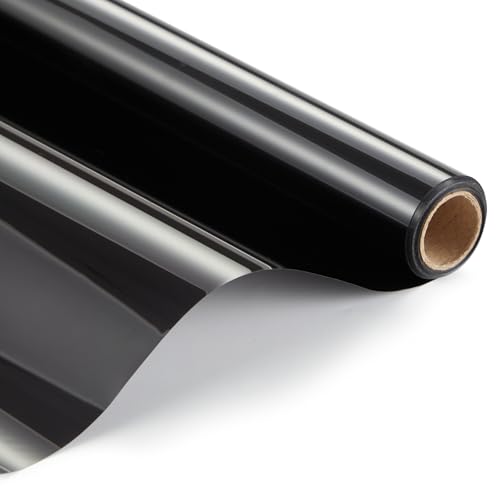
This Vepagoo film uses nano-ceramic technology to block heat and UV effectively. It claims to reduce cabin heat significantly by reflecting infrared radiation, while blocking 99% of UV rays to protect skin and interior materials. The 15% VLT option provides a high level of privacy during the day, with outward visibility maintained for safer driving. The ceramic construction also offers enhanced scratch resistance and added glass strength, contributing to safer driving in scenarios with minor impacts.
In practice, installers should plan for a careful surface preparation and a precise cut-to-fit process, especially on curved windows. The film’s privacy and signal reception remain strong in daylight, and the 15% shade is suitable for sedans and trucks where privacy is a priority without sacrificing too much night visibility. Regular maintenance with mild cleaners helps preserve clarity and reduces hazing over time.
Vepagoo 35% VLT Ceramic Window Tint
The 35% VLT option from Vepagoo focuses on a balance between privacy and outward clarity. The nano-ceramic film blocks heat and UV rays while preserving high-definition visibility through the glass. This level is popular for daily drivers that require adequate privacy without darkening the cabin too much. The film’s scratch resistance and impact tolerance contribute to long-term durability, making it a practical choice for families and rides with extended exposure to sun and heat.
Application considerations include ensuring a clean, dry surface and using the right squeegee technique to avoid air pockets. The film’s performance in hot climates is particularly notable, as it can help keep interiors cooler and protect dashboards and upholstery from sun damage. For those concerned about signal reception (e.g., GPS, key fob signals), the ceramic composition generally minimizes interference compared with metal-based films.
Pamagoo 35% VLT Ceramic Window Tint

Pamagoo’s 35% VLT ceramic film emphasizes straightforward installation with an adhesive-free design, aided by a detailed manual and video. The 35% shade provides a comfortable balance of privacy and daytime visibility, along with a scratch-resistant nano ceramic coating. UV and infrared blocking helps protect skin and interior surfaces and contributes to a cooler cabin. The kit often targets DIY installers who want a reliable ceramic option without complex adhesives, relying on a clean fit and proper pre-cut guidance.
When planning an installation, consider vehicle size and window shapes. The included manual and potential video walkthroughs assist first-time tinting, while the 5-layer ceramic construction supports durability against daily wear and minor abrasions. For garages and workspaces, ensure adequate ventilation and follow curing times to maximize tint permanence and clarity.
Arayker Window Tint Tools Kit
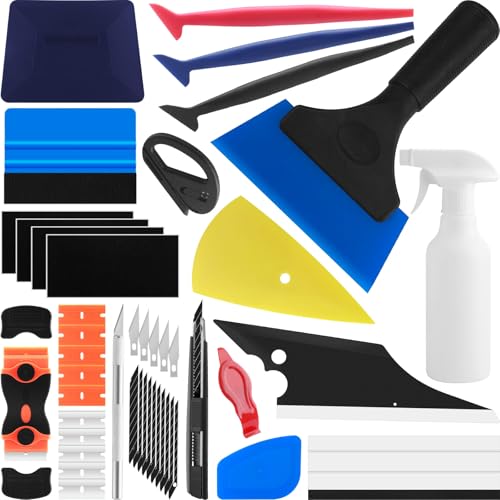
Arayker offers a comprehensive tool kit for window tinting and vinyl wrap projects. The kit includes a contour squeegee suited for curved glass seams, along with other essentials like a spray bottle and additional tools to help reduce air bubbles and achieve a flat, smooth finish. While not a film itself, this kit supports DIY installations by providing specialized tools tailored to automotive glass curvature and tight corners. This can be particularly helpful when applying films to complex window shapes or when performing precise trim work during tinting.
Consider using the kit in conjunction with high-quality tint films to improve application efficiency and reduce post-installation adjustments. The tools’ durability and design aim to minimize scratches and damage to edges, which is important for both performance and aesthetics. For hobbyist and professional settings alike, a reliable toolkit complements a good tint film choice by delivering cleaner results and quicker completion times.
TRUE LINE Automotive DIY Tint Kit

This kit emphasizes a DIY approach with pre-cut window forms and a clear customization pathway. It targets multiple shade options (5%, 20%, 35%, 50%) for all side and back windows, reducing the need for trimming during installation. Release tabs assist in separating film sections, simplifying the process for beginners. The pre-cut design aims to minimize waste and accuracy challenges, though the success depends on precise vehicle-to-form matching and careful surface preparation.
Consider legal requirements in your area, since VLT limits vary by state and window type. The kit’s pre-cut approach can be advantageous for DIY installers who want predictable results, while still requiring attention to edge sealing and edge wrap to prevent peel and bubbling over time. When combined with a reliable tint film, it supports a practical pathway to customized shade without professional labor costs.
Buying Guide: Key Purchase Considerations
- VLT and privacy balance: Lower VLT (e.g., 15%) offers more privacy and heat rejection but may reduce visibility at night. Higher VLT (e.g., 35%) provides better outward clarity while still blocking a significant portion of heat and UV.
- Film technology: Ceramic films generally deliver superior heat rejection, UV protection, and signal reception compared with metalized or dyed films, while maintaining clarity and scratch resistance.
- Heat and UV protection: Look for UV blockage near 99% and infrared rejection to keep interiors cooler and protect dashboards and upholstery from sun damage.
- Durability and scratch resistance: Nano-ceramic coatings and multi-layer constructions increase durability and resistance to abrasion, reducing the risk of hazing and edge lifting over time.
- Installation considerations: Adhesive-free or pre-cut formats can simplify DIY projects, but successful results still require surface prep, proper alignment, and curing time. Use appropriate tools to avoid scratches and ensure a tight seal along edges.
- Legal compliance: Window tint laws vary by state and vehicle type. Ensure the chosen VLT and tint category comply with local regulations to avoid fines or failed inspections.
- Maintenance and care: Mild cleaners and soft cloths help preserve film clarity. Avoid ammonia-based cleaners that may degrade some films over time.
- Warranty and support: Check manufacturer warranties and installation guidance, especially for DIY kits, to understand coverage for bubbling, peeling, or discoloration.
- Package contents: For DIY kits, confirm whether installation aids, squeegees, and edge-trimming tools are included, which can influence total project cost and ease of use.
Selecting a tinting film for cars involves balancing privacy, heat rejection, visibility, and installability. Ceramic films generally offer the best mix of performance and durability, while pre-cut kits and tool sets can simplify DIY projects. Always verify compatibility with your vehicle’s window shapes and local tinting regulations before purchasing.