Finding the right single speed freewheel starts with a reliable, durable piece that matches your chain width and hub thread. The best freewheels come in common sizes such as 16T and 14T, designed for 1/2″ chains and either 1/8″ or 3/32″ widths. In this guide, five well-regarded options are evaluated for urban riders, BMX-inspired builds, and simple conversion projects. Each product section notes compatibility, weight, and notable features to help you decide quickly. A concise summary table at the start provides a quick-look comparison, followed by deeper buying guidance. The goal is clear: choose a freewheel that delivers smooth rotation, straightforward maintenance, and dependable performance for daily riding.
| Product | Brand | Teeth | Chain Width | Thread | Notes |
|---|---|---|---|---|---|
| Hycline 16T Freewheel | Hycline | 16 | 1/2″ x 1/8″ | 1.375″ BSA | Rust-resistant coating; high-tensile steel |
| Shimano MX 16T Freewheel | SHIMANO | 16 | 1/2″ x 3/32″ | 1.37″ x 24tpi common threaded | Hardened steel; durable for urban riding |
| Hycline 14T Freewheel | Hycline | 14 | 1/2″ x 1/8″ | 1.375″ BSA | Solid steel with precise threading |
| WEEROCK 16T Freewheel | WEEROCK | 16 | 1/2″ x 1/8″ | Standard threaded | Iron build; versatile for many bikes |
| ACS Main Drive 16T | ACS | 16 | 1/8″ | 1.37″ x 24tpi | BMX-style 4-prong remover compatibility |
Hycline 16T Freewheel For 1/2×1/8 Chains

The Hycline 16T Freewheel is designed for 1/2″ x 1/8″ chains and standard rear hubs. It features a precise inner thread diameter of 34.1mm (±0.05) and a standard BSA thread pitch of 1.375 inches. With a compact 16mm thickness, this freewheel weighs 140g and uses high-tensile steel with a black phosphate coating to resist rust. The construction supports smooth rotation and reliable maintenance, making it a practical choice for daily commuting or casual rides. Its wide compatibility and straightforward installation make it a popular option for single-speed conversions and replacements.
- Teeth: 16T
- Weight: 140g
- Chain compatibility: 1/2″ x 1/8″
- Inner thread diameter: 34.1mm (±0.05)
- Thickness: 16mm
- Material: High-tensile steel with black phosphate coating
- Thread pitch: 1.375″ (BSA)
- Usage: Widely used on rear hubs
Shimano MX 16T Single Speed Freewheel

The Shimano MX 16T Freewheel provides a compact, durable option for standard threaded hubs. It uses a 1/2″ x 3/32″ chain width and relies on hardened steel construction to withstand daily urban use and fixed-gear conversions. Although 16 teeth strike a balance between acceleration and cruising speed, this model emphasizes longevity and dependable freewheeling. Shimano’s MX line is recognized for consistent performance with minimal maintenance, making it a reliable choice for riders upgrading from a basic single-speed setup or converting a BMX-style frame. Its straightforward design supports easy replacement and smooth operation over time.
- Teeth: 16T
- Chain width: 3/32″
- Material: Hardened steel
- Compatibility: Standard threaded hubs
- Durability: Long-lasting performance
Hycline 14T Freewheel 1/2×1/8

The Hycline 14T Freewheel offers a smaller gear option for climbs or lightweight builds. Weighing 167g, it fits 1/2″ x 1/8″ chains and shares the 34mm inner thread diameter (±0.05) with a standard 1.375″ BSA pitch. Outer diameter is 62mm, with a thickness of 30mm. Constructed from high-tensile steel, this model emphasizes precision threading for smooth operation and low maintenance. It’s well-suited to riders looking for a slightly lower gear ratio without sacrificing reliability in everyday riding or conversion projects.
- Teeth: 14T
- Weight: 167g
- Chain compatibility: 1/2″ x 1/8″
- Inner thread diameter: 34mm (±0.05)
- Outer diameter: 62mm; Thickness: 30mm
- Material: High-tensile steel
- Thread pitch: 1.375″ (BSA)
WEEROCK 16T Single Speed Freewheel

WEEROOK’s 16T freewheel is built for versatility across city bikes, folding bikes, and other daily riders using 1/2″ x 1/8″ chains. It weighs about 170g and is constructed from iron, delivering good heat resistance and a long service life under regular use. This model is suitable for riders who want a straightforward, durable option for urban commuting or casual rides. Its rugged build aligns well with multiple bike styles, including ladies bikes and beach-ready setups, where a reliable single-speed drivetrain matters most.
- Teeth: 16T
- Weight: 170g
- Chain compatibility: 1/2″ x 1/8″
- Material: Iron
- Durability: High heat resistance; long service life
- Applications: Folding, commuter, beach, and general single-speed bikes
ACS Main Drive 16T Freewheel 1/8-Inch
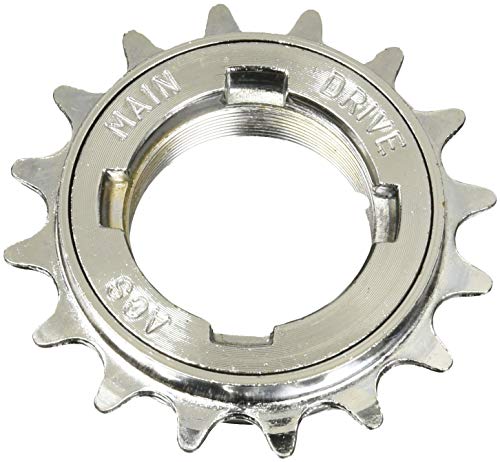
The ACS Main Drive 16T Freewheel is designed for classic BMX influence and standard threaded hubs. The 16-tooth, 1/8″ chain width profile makes it a straightforward choice for early single-speed builds. It uses a threaded standard 1.37″ x 24tpi, ensuring reliable engagement with common hubs. Installation is simplified by compatibility with traditional BMX 4-prong freewheel removers, allowing for quick swaps and maintenance. This model suits riders who value a conventional, easy-to-service freewheel that aligns with many BMX and urban conversion setups.
- Teeth: 16T
- Chain width: 1/8″
- Thread standard: 1.37″ x 24tpi
- Remover compatibility: BMX 4-prong
- Material: Steel construction
Buying Guide
Choosing the right freewheel hinges on several interrelated factors. The most important are compatibility with your chain width and hub threading, the gear ratio, and the build quality of the freewheel body. Below are practical considerations to help you compare options and select the best fit for your bike and riding style.
Key purchase considerations
- Tooth count and gearing needs: A 16T is a common all-round choice for urban riding, while a 14T can help with steeper climbs or lighter bikes. If you expect frequent hill climbing, consider a smaller tooth count; if you want more speed on flats, a larger count may be better.
- Chain width compatibility: Freewheels come in 1/2″ x 1/8″ and 1/2″ x 3/32″. Match this to your chain to prevent premature wear or misalignment. Some BMX-style setups use 1/8″ chains exclusively; others are compatible with 3/32″ widths.
- Thread standards: Most freewheels use the standard 1.37″ x 24tpi (BSA) threads. Confirm this with your hub to ensure proper engagement and installation.
- Material and durability: Hardened steel, high-tensile steel, and iron all offer different durability and weight profiles. Rust resistance (e.g., black phosphate coatings) helps for daily commuting in wet conditions.
- Maintenance and removal: Some models require specific tools (for example, BMX-style 4-prong removers). Consider whether you have the tools to install and service the freewheel without hassle.
- Bike type and riding style: City commuting, folding bikes, BMX builds, and beach bikes each benefit from particular gearings and materials. Choose a model aligned with your typical terrain and ride frequency.
Size and compatibility considerations
Threaded freewheels typically conform to the 1.37″ x 24tpi standard, but the inner diameter and outer dimensions can vary slightly. Inner thread diameter ensures proper engagement with the hub’s threads; a mismatch can cause cross-threading risks or misalignment. For 1/2″ x 1/8″ chains, ensure the freewheel’s spacing and chain line will not interfere with the frame or derailleur clearance on bikes that support single-speed setups.
Materials and durability
Freewheels built from hardened steel or high-tensile steel offer robust performance for daily riding and long service life. Rust resistance is a practical benefit for riders in wet climates; coatings such as black phosphate help reduce corrosion without compromising rotation. Heavier freewheels may indicate sturdier construction, but weight differences are often negligible for casual riders. Durability is closely tied to how well the freewheel is maintained—regular cleaning and lubrication extend life regardless of material.
Use-case scenarios
Urban commuters benefit from reliable, low-maintenance freewheels that resist rust and deliver smooth coasting. BMX-inspired builds may prioritize compatibility with BMX removers and a standardized thread pattern for easy replacement. For climbers, smaller tooth counts provide better cadence, while riders prioritizing cruising speed may opt for 16T or higher. Folding bikes and lightweight city bikes often require compact freewheels with careful clearance in tight frames, making the 14T option appealing in some cases.
Maintenance tips
- Regularly inspect the threads for damage and clean the freewheel interface to prevent grit buildup.
- Lubricate the threaded engagement to maintain smooth rotation; avoid over-lubrication that can attract dirt.
- When removing for replacement, use the correct tool to prevent stripping the freewheel or hub.
- Store spare freewheels in a dry environment to minimize rust risk when not in use.
How to choose between 14T and 16T
14T freewheels are advantageous for steeper urban terrains or lighter frames, offering quicker cadence during climbs but reduced top speed on flats. 16T freewheels provide a balanced compromise between acceleration and comfortable cruising for most city riding. If you frequently ride hilly routes, consider starting with 14T on a lightweight setup or a 16T on a more robust frame. For riders who want a universal option, 16T remains the default choice for many conversions, while 18T or higher would be preferred for high-speed, flat-terrain riding.
In sum, the best single speed freewheel for you depends on chain width, thread compatibility, gearing needs, and the intended riding conditions. The five models highlighted here cover common setups, ensuring a dependable option whether you’re upgrading an old bike or building a simple, low-maintenance ride from scratch. Always confirm hub compatibility and tool requirements before purchasing, and consider how you’ll maintain the freewheel to maximize its lifespan.