For RV travelers, an efficient chassis battery setup means dependable starting power and a steady energy reserve for accessories. This guide highlights five top options—from rugged AGM batteries to compact battery boxes and dual-battery kits—that align with common RV power needs. Each pick prioritizes durability, ease of installation, and compatibility with typical RV electrical systems. The following sections present concise product details, images, and features to help with an informed choice for chassis and auxiliary battery setups.
Summary of selected products:
| Product | Brand | Key Use | Highlights |
|---|---|---|---|
| Deka 9A34R AGM Intimidator | Deka | Chassis/auxiliary battery | Rigid AGM, higher cycle life |
| NOCO Snap-Top BG31 Battery Box | NOCO | Batteries in RV/Marine installations | Rigid, easy install, fits Group 24–31 |
| 48V 100Ah LiFePO4 by EconomiPower | EconomiPower | Home energy storage, RV off-grid | Bluetooth monitoring, CAN/RS485 |
| Camco Double Battery Box | Camco | Dual batteries storage | Corrosion-resistant polymer, roomy interior |
| POWO Carlife Battery Box | POWO Carlife | Compact, outdoor-use box | Waterproof, dual QC3.0 |
Deka 9A34R AGM Intimidator Battery
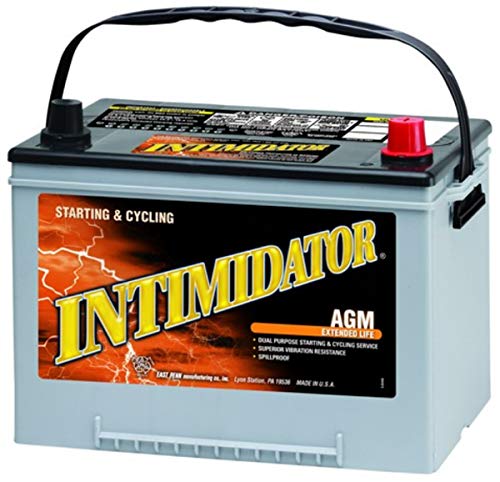
The Deka 9A34R AGM Intimidator is a maintenance-friendly AGM battery designed for reliable starting performance and deep cycling in RV applications. Its rugged construction makes it suitable for chassis use, reducing the risk of electrolyte leaks and offering long life in demanding environments. Ideal for RVs that require dependable cranking power alongside auxiliary storage, this AGM model emphasizes durability and low maintenance.
NOCO Snap-Top BG31 Battery Box

The NOCO Snap-Top BG31 Battery Box is engineered for rugged RV and marine setups, designed to house Group 24–31 batteries. It features a snap-top design for quick access, a rigid frame for durability, and simplified mounting with pre-drilled holes. This box is compatible with 12-volt automotive and deep-cycle batteries, providing a secure enclosure that protects against the elements while making installation straightforward.
48V 100Ah LiFePO4 EconomiPower Battery
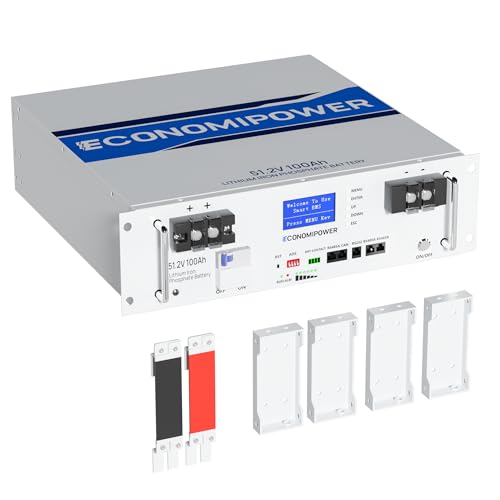
This EconomiPower LiFePO4 pack delivers 5.12 kWh with 100Ah capacity at 48V, built for home energy storage and RV off-grid use. It includes CAN and RS485 communication for compatibility with most inverters and BMS awareness. The built-in LCD screen and Bluetooth enable real-time monitoring of SOC, voltage, and temperature, while a protective 100A BMS supports safe operation and lifecycle longevity.
Camco Double Battery Box
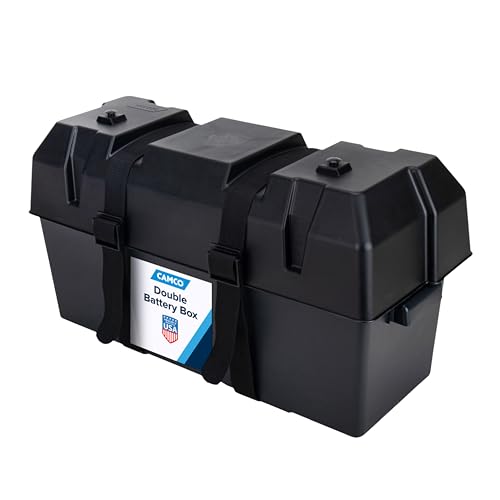
Camco’s Double Battery Box offers a sturdy, corrosion-resistant polymer shell with interior space for two batteries. It measures about 21½ inches long and is designed to hold two 6V GC2s or two 12V Group 24 batteries. The shell’s heavy-duty construction adds protection against the elements and rough handling common in travel scenarios, making it a practical chassis-ready storage solution for RVs.
POWO Carlife Battery Box

POWO Carlife offers a compact, waterproof 12V battery box designed for RV use with dual QC3.0 ports. It supports smaller battery chemistries and is suitable for 30Ah to 10Ah packs, featuring a seal that resists dust and water ingress. The box’s dual high-speed charging capability makes it versatile for travelers needing reliable power for accessories and basic systems on the go.
Buying Guide
- Purpose and load: Determine whether you need a primary chassis battery, auxiliary storage, or a dual-battery setup. AGM batteries provide durable, maintenance-free starting power, while LiFePO4 offers higher energy density and longer life for off-grid RV use.
- Box and enclosure considerations: When installing in a compact space, select battery boxes with corrosion resistance, good seals, and easy access for maintenance. Rigid designs with secure mounting reduce vibration and movement.
- Size compatibility: Check group size compatibility (e.g., Group 24–31) and dimensions to ensure fit within compartments and under din panels or chassis bays.
- Monitoring and safety: LiFePO4 options with built-in monitoring, CAN/RS485, or Bluetooth improve system visibility. Ensure Overcharge, Over-discharge, and Short-Circuit protections align with your system’s requirements.
- Installation simplicity: Boxes with pre-drilled holes, strap mounts, or straightforward mounting hardware simplify installation, especially in tight RV spaces or dual-battery configurations.
- Weather and exposure: For exterior or under-vehicle mounting, prefer waterproof or rugged polymer enclosures and stainless hardware to resist corrosion and weathering.
- Future expansion: If planning upgrades (e.g., solar integration or advanced power management), prioritize compatible battery chemistries and communication protocols to support expanding energy systems.
- Cost of ownership: While LiFePO4 generally costs more upfront, its longer cycle life may reduce replacement frequency and total cost of ownership in the long run.