Reusable air filters offer a practical way to boost engine efficiency, save money over time, and reduce waste. This article highlights high-quality, washable options suited for common car applications, with a focus on engine and cabin air filtration. Each product is chosen for durability, filtration efficiency, and long service life. Below is a quick summary to help you compare at a glance.
| Product | Brand | Type | Key Benefit |
|---|---|---|---|
| K&N High-Flow Original Lifetime Engine Air Filter (33-5041) | K&N | Increases horsepower and acceleration; washable and durable | |
| K&N Engine Air Filter: Long Life 18,000 Mile Replacement | K&N | Up to 18K miles of use; high filtration efficiency | |
| K&N High-Flow Original Lifetime Engine Air Filter (33-5075) | K&N | Premium filtration; lifetime durability | |
| DNA Motoring AFPN-010-RD Clean Air Drop-In Panel Filter | DNA MOTORING | Washable, multi-layer cotton gauze for reusable performance | |
| DNA Motoring AFPN-110-RD Clean Air Drop-In Panel Filter | DNA MOTORING | Washable design with multiple layers for reusable filtration |
The following sections review each product in detail, focusing on features, performance, and practical considerations for everyday driving. All information reflects the listed features and typical use cases for these reusable air filters.
K&N High-Flow Original Lifetime Engine Air Filter (33-5041)

The K&N 33-5041 is designed to increase horsepower and acceleration while enhancing overall engine performance. It uses multi-layer cotton gauze with a tack-treated media to trap contaminants while allowing high airflow. The construction emphasizes durability and a long service life, which aligns with K&N’s lifetime warranty approach. This filter is washable and reusable, reducing the need for frequent replacements and supporting long-term cost savings for drivers who log many miles annually.
Key considerations include the filter’s compatibility with 2016-2025 Acura/Honda models and the potential impact on intake sound and throttle response. Regular cleaning and re-oiling per K&N guidelines help maintain peak performance. While the initial cost may be higher than disposable filters, the extended life and performance gains are designed to offset this over time.
HANN&CO Washable High Flow Cabin Air Filter (CF10285/CP285)

HANN&CO’s cabin air filter is designed for repeated washing and extended service life. With a claimed service life exceeding 15 years in light dust areas, it focuses on minimizing air resistance to improve airflow through the cabin intake. The product uses layered synthetic fibers compressed to preserve the fiber structure after multiple cleanings, providing a cost-effective and environmentally friendly option for cabin filtration on vehicles that require compatible CF10285/CP285 variants.
When evaluating cabin air filtration, consider the filter’s fitment for your vehicle model, the level of filtration for particulates, and how often you can wash the filter without degrading performance. In areas with heavy dust, pay attention to the practical lifespan and whether a replacement cycle aligns with your maintenance schedule.
HANN&CO Cabin Filter CF12157/CP157 (Higher Flow)

This cabin air filter shares HANN&CO’s focus on washable, reusable design with an emphasis on reduced air resistance. It’s built to offer high flow while maintaining filtration performance, making it a practical option for drivers seeking reusable cabin filtration without frequent replacements. As with other cabin filters, ensure compatibility with your specific vehicle’s HVAC system and recommended replacement intervals.
The product highlights include multiple synthetic fiber layers and a low-pressure drop profile, which can contribute to smoother HVAC operation and potentially quieter intake. It is well-suited for drivers who prioritize a balance between filtration efficiency and airflow in the cabin environment.
DNA Motoring AFPN-010-RD Clean Air Drop-In Panel Filter

This DNA Motoring filter is designed to provide high-quality, washable filtration for compatible 07-17 Toyota Camry and related models. It uses multiple layers of microscopic cotton gauze fibers to deliver clean air and support engine performance improvements. The design emphasizes reusability and compatibility with factory electronics, helping maintain reliable sensor readings and engine management after install.
When considering DNA Motoring filters, users should evaluate fitment against their vehicle’s exact year, make, and model, as well as the ease of wash-and-reinstall cycles. Performance expectations focus on improved air supply to the engine and potential gains in throttle response, especially in older or higher-mileage engines that benefit from cleaner inlet air.
DNA Motoring AFPN-110-RD Clean Air Drop-In Panel Filter
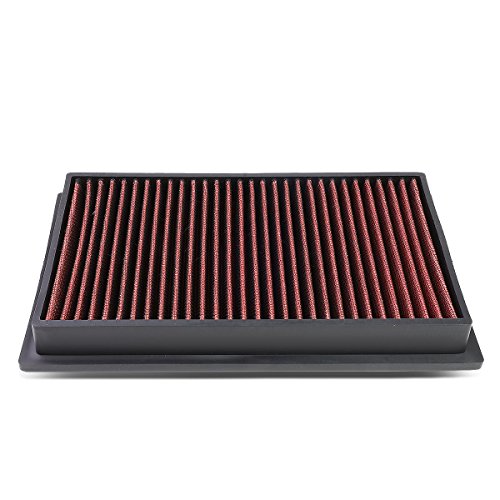
The AFPN-110-RD filter from DNA Motoring also emphasizes washable, reusable design with multiple cotton gauze layers to improve engine airflow and performance. It is positioned for broad compatibility with a range of older and modern vehicles, offering a cost-conscious option for drivers who want to reduce replacement frequency while maintaining filtration quality.
As with all reusable filters, maintenance is key. Follow manufacturer directions for cleaning, drying, and re-oiling (if applicable). Evaluate how often you drive in dusty environments and whether your vehicle’s intake system benefits more from a higher flow rating or a premium filtration layer to protect sensors and turbochargers.
Buying Guide: Reusable Car Air Filters
Choosing a reusable air filter involves weighing filtration efficiency, airflow, durability, and long-term cost. Below are key considerations to help you compare options across engine and cabin filters, including how to select the right model for your vehicle and driving habits.
- Filter Type and Application: Engine air filters impact power, throttle response, and engine protection, while cabin filters focus on comfort and interior air quality. Confirm the filter is designed for your vehicle’s make, model, and year.
- Filtration Material and Layers: Premium cotton gauze or multi-layer synthetic fibers offer strong filtration. More layers can improve contaminant retention, but ensure airflow remains sufficient for your engine or HVAC system.
- Washability and Maintenance: Reusable filters require cleaning, drying, and re-oiling (for some models). Adhere to manufacturer guidelines to preserve performance and avoid damage.
- Durability and Longevity: Look for filters with durable housings and proven life in miles or years. Lifetime or extended-life claims are common with K&N products, but real-world results depend on driving conditions.
- Airflow and Pressure Drop: A low resistance (low Pa) profile supports better airflow. In cabins, this can translate to quicker climate control response and steadier airflow; in engines, it can affect throttle response and power delivery.
- Maintenance Costs Over Time: Although initial costs may be higher, reusable filters can reduce ongoing replacement costs. Consider your annual mileage and typical driving environment (dusty vs. clean).
- Installation and Fitment: Some filters are drop-in replacements with simple installations, while others may require minor modifications. Verify fitment is straightforward for your vehicle and tools you have on hand.
- Quality and Warranty: Reputable brands with clear warranty coverage provide assurance. Evaluate customer reviews and any documented performance claims for confidence in lasting value.
- Environmental Impact: Reusables reduce waste by minimizing disposable filter replacements. If sustainability is a priority, consider the lifecycle benefits along with performance.
- Vehicle-Specific Considerations: Diesel vs. gasoline engines, turbocharged setups, and vehicles with advanced electronic sensors may require filters with specific flow characteristics to avoid triggering fault codes.
In summary, for drivers seeking reusable filtration, prioritize compatibility, durable build, and a filtration technology that suits your driving environment. Engine filters that balance high flow with robust filtration can deliver tangible performance gains, while cabin filters that minimize resistance and maintain cabin air quality improve overall comfort. Regular maintenance remains essential to maximize the lifespan and benefits of any reusable filter choice.