Plastic bumpers require specialized primers that offer strong adhesion, flexibility, and durability. This article reviews the best primers for plastic bumpers suitable for automotive and DIY repair, focusing on products that bond well to materials like polypropylene, TPO, fiberglass, and urethane. Below is a summary table to help you quickly compare key features of top-rated primers designed to enhance paint adhesion and finish quality on plastic surfaces.
| Product | Brand | Key Features |
|---|---|---|
| Blysk Flexible Primer Grey P376 | Blysk | Flexible, fast-drying, sandable, bonds to plastic & metal |
| Rust-Oleum 209460 Plastic Primer Spray | Rust-Oleum | Strong adhesion, formulated for hard-to-paint plastics |
| Hycote High Build Aerosol Car Spray Primer | Hycote | High build, tough, excellent coverage & flexibility |
| Polyvance Bumper and Cladding Coat Primer | Polyvance | Adheres to unsanded TPO & polypropylene, no sanding required |
| Polyvance Bumper and Cladding Adhesion Coat Primer | Polyvance | No sanding, weather-resistant, ready-to-spray formula |
Blysk Flexible Primer Grey P376 – High-Adhesion Sandable Base
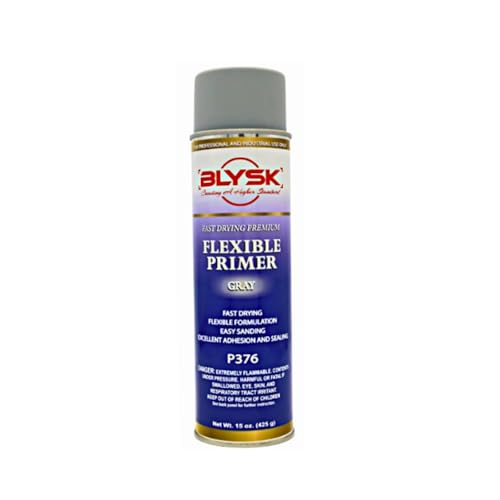
The Blysk Flexible Primer Grey P376 is engineered for superior bonding to various automotive surfaces including plastic bumpers, metal, urethane, and fiberglass. This professional-grade primer smooths surface imperfections and offers an excellent base for topcoats, ensuring long-lasting finishes. Its quick drying time and sandability are ideal for achieving flawless results during bumper repairs. The flexibility helps accommodate slight movements in plastic surfaces without cracking, making it highly suitable for automotive applications.
Rust-Oleum 209460 Plastic Primer Spray

Rust-Oleum’s 209460 Plastic Primer Spray is formulated to provide strong adhesion on hard-to-paint plastics such as polypropylene, polystyrene, fiberglass, and vinyl. It sprays on easily and dries fast, creating a tight bond that boosts the durability of your paint job. This primer works seamlessly with Rust-Oleum topcoats but can also serve as a base for other paint brands. Ideal for both automotive and household plastic surfaces.
Hycote High Build Aerosol White Plastic Primer

The Hycote High Build Aerosol Primer offers superior coverage and adhesion designed specifically for plastic surfaces. It eliminates the need for complicated pretreatments and provides a tough, receptive base for various paint types including gloss, satin, pearlescent, or matte finishes. Its combination of fast drying, flexibility, and durability makes it a reliable option for plastic bumper refinishing tasks.
Polyvance Bumper and Cladding Coat Primer – Light Gray

Designed for seamless application, the Polyvance Bumper and Cladding Coat Primer adheres strongly to TPO and polypropylene plastic bumpers without requiring sanding. This ready-to-spray 1K formula minimizes waste and prepares even unsanded surfaces for paint. It’s compatible with most urethane and polyester-based topcoat systems, making it a favorite among body shops and DIYers aiming for durable, professional results.
Polyvance Bumper and Cladding Adhesion Coat Primer – Dark Gray

The Polyvance Adhesion Coat Primer offers excellent adherence to raw TPO and polypropylene bumpers with no scuffing or sanding required. Its durable formula withstands harsh conditions, including pressure washing, ensuring the primer stays intact before and after painting. The ready-to-spray 1K formulation prevents material waste, making it efficient for both small repairs and larger refinishing projects.
Buying Guide for the Best Primer for Plastic Bumpers
Choosing the right primer is crucial to achieving a durable and smooth paint finish on plastic bumpers. Here are some key considerations:
- Adhesion Capability: Since plastic surfaces like polypropylene and TPO are challenging to bond, select primers specifically formulated for plastics. Check if the primer requires sanding or if it bonds to unsanded plastics.
- Flexibility: Plastic bumpers expand and contract with temperature changes. Flexible primers prevent cracking and flaking by accommodating slight movements.
- Compatibility with Topcoat: Ensure the primer works well with your chosen paint type, whether urethane, polyester-based, or standard automotive paint.
- Drying and Sanding Properties: Fast-drying primers reduce project time. Sandable primers allow you to smooth imperfections before painting for a professional finish.
- Durability and Weather Resistance: Primers exposed to outdoor conditions should resist wash-off, UV exposure, and abrasion.
- Application Method: Aerosol sprays offer ease of use and even coverage, while liquid primers may suit professional spray systems better.
- Color of Primer: Some primers come in gray or white bases to improve paint appearance and coverage. Consider the color based on your topcoat and final visual expectations.
With these points in mind, selecting a plastic bumper primer becomes a straightforward process, helping you to produce strong, long-lasting finishes that preserve both look and protection.