Choosing the right oil stop leak for a head gasket issue can be challenging. This guide reviews five popular products designed to seal leaks, prevent oil loss, and reduce overheating risks. Each option targets different engine needs, from simple oil leaks to more complex head gasket concerns, while remaining compatible with a broad range of gasoline and diesel engines. Use the quick table below to compare highlights and then dive into detailed product sections to understand how each solution works.
| Product | Brand | Key Benefit |
|---|---|---|
| BlueDevil Oils Stop Leak | BlueDevil Products | Permanent seal for oil leaks |
| Bar’s Leaks HG-1 | Bar’s Leaks | Seal blown head gasket leaks fast |
| Bar’s Leaks 1100 Head Gasket Repair | Bar’s Leaks | Head gasket repair in one step |
| K-Seal ST3501 | K-Seal | Permanent repair for blown gaskets |
| BlueDevil 38386 Head Gasket Sealer | BlueDevil Products | Permanent seal for head gasket leaks |
Selecting the right option depends on the leak type, engine type, and whether you’re aiming for a temporary fix or a long-term seal. The following sections provide objective overviews of each focused product, helping readers compare performance, compatibility, and usage considerations.
BlueDevil Oil Stop Leak 8 Ounce

The BlueDevil 49499 Oil Stop Leak is designed for ease of use and broad compatibility. It delivers a permanent seal intended to stop seeping or dripping oil leaks in most engines, including gasoline and diesel configurations. The product is described as simple to apply and capable of delivering long-term results, allowing drivers to return to regular driving without frequent top-offs. While its primary focus is oil leaks, its permanent seal attribute makes it appealing for engines with persistent leak symptoms. For best results, follow the dosage guidance for your engine size and monitor oil levels after application.
Bar’s Leaks HG-1 Head Seal

Bar’s Leaks HG-1 focuses on head gasket-related coolant leaks. It is designed for quick action against blown head and intake gasket leaks and can seal warped or cracked heads and blocks under certain idle conditions. The product states antifreeze compatibility and does not require flushing or draining for most coolant systems. This makes it a practical option for users who want to avoid complex cooling system work. It should be noted that results can vary depending on the engine’s condition and the extent of the damage.
Bar’s Leaks 1100 Head Gasket Repair
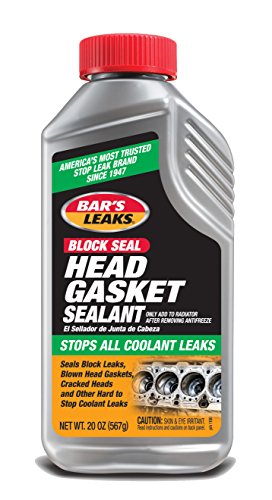
Bar’s Leaks 1100 Head Gasket Repair is positioned as a one-step solution to seal head gasket leaks. Its focus is on sealing leaks around cylinder heads and blocks, with claims of repairing seal failures caused by cracked components. While marketed as simple to use, effectiveness can depend on the extent of the head gasket damage and engine cooling system condition. It is compatible with common antifreeze formulations, reducing the need for additional coolant changes during application.
Bar’s Leaks OS-1 Oil Seal

Bar’s Leaks OS-1 is designed to repair leaking main seals and gaskets across a range of engines, with mention of compatibility for turbocharged, EcoBoost, hybrid, and racing applications. It also claims to renew worn valve seals and guides, and to stop oil burning and blue exhaust smoke for several cylinder configurations. The product is positioned for broader engine-use scenarios, potential high-mileage vehicles, and engines experiencing oil consumption alongside leaks.
K-Seal ST3501 Head Gasket Sealer
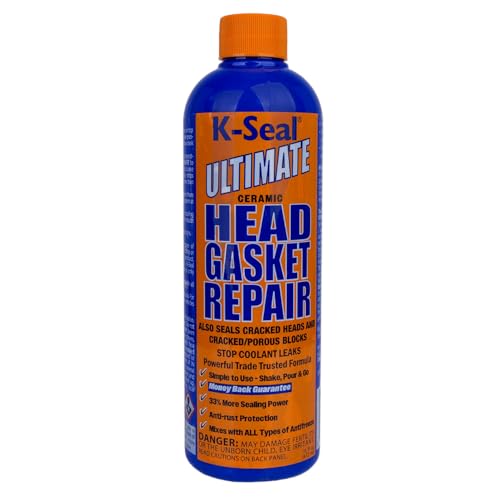
K‑Seal ST3501 offers a permanent repair approach with a formula that includes ceramic micro-fibers. It claims to seal leaks up to 0.64 mm in size without draining or flushing; just shake, pour, and run the engine. The product emphasizes ease of use and long-term sealing for blown head gaskets, cracked heads, and porous engine blocks. It is designed for standard passenger cars and larger engines, with guidance to use two bottles for very large or heavy-duty applications.
BlueDevil Head Gasket Sealer

The BlueDevil 38386 Head Gasket Sealer is positioned as a permanent fix for head gasket leaks. It highlights ease of use and compatibility with gasoline and diesel engines across a wide vehicle range. The product aims to seal leaks in blown head gaskets, warped or cracked heads, heater cores, and freeze plugs. As with other sealant products, performance depends on leak severity and engine condition, and it is essential to follow prescribed dosages and run the engine after treatment to allow the seal to form.
Buying Guide: Key Purchase Considerations
When evaluating oil stop leak or head gasket sealers, buyers should consider the following factors to determine the best fit for their situation:
- Leak type and location: Determine whether the issue is an oil pan seal, valve cover seal, head gasket, or head/cracked components. Some products target oil leaks only, while others claim to seal head gasket leaks or cracked heads.
- Engine type and compatibility: Check if the product is labeled for gasoline, diesel, turbocharged, EcoBoost, or hybrid engines. Ensure compatibility with coolant types and antifreeze formulations to avoid reactions.
- Severity and driving plans: For minor leaks with planned short-term driving, a sealant may suffice. For severe leaks or vehicles in daily use, a more robust, permanent-seal solution may be appropriate, acknowledging that results vary by condition.
- Ease of use: Consider whether the product requires draining, flushing, or special tools. Many options advertise simple pour-and-go usage, but follow-up driving and engine warm-up periods are often necessary for an effective seal.
- Durability and warranty: Permanent-seal claims should be evaluated against real-world durability notes. Read customer reviews for long-term performance and any reported warranty protections from manufacturers.
- Cost and vehicle value: Compare the price against the potential savings from avoiding professional repairs. For older vehicles, a sealant may be a practical interim solution; for newer or high-value vehicles, weigh the risks of sealing versus more definitive repairs.
- Professional guidance: If there is coolant loss, overheating, or visible damage to the head gasket, consult a mechanic. Sealants may delay, but not replace, necessary repairs in some cases.
In summary, the best choice depends on the specific problem, engine type, and repair goals. For oil-only leaks, a product like BlueDevil Oil Stop Leak offers a straightforward option with a claimed permanent seal. For head gasket concerns, K‑Seal ST3501 and Bar’s Leaks HG‑1 provide targeted approaches with varying degrees of permanence and ease of use. When in doubt, consider a combination of sealant use and a professional evaluation to determine the optimal long-term plan for engine reliability.