Choosing the right oil and filters for your Volkswagen helps protect engines, maximize efficiency, and maintain warranties. VW engines often rely on synthetic formulas and specific specifications like VW 504.00/507.00. This guide highlights five products that meet or exceed typical VW maintenance needs, including European-spec synthetic oil and OEM or high-quality aftermarket filters.
This selection focuses on items that complement each oil change: robust anti-wear protection, clean filtration, and reliable fit for a wide range of VW models. The following table summarizes key attributes for quick reference, followed by detailed product insights and installation tips.
| Product | Brand | Type | Notable Benefit |
|---|---|---|---|
| Valvoline European 5W-40 Oil | Valvoline | Engine Oil | European-spec protection; anti-wear additives |
| K&N HP-7038 Oil Filter | K&N | Oil Filter | High-capacity filtration; high efficiency |
| Volkswagen 0W-30 OEM Engine Oil | Volkswagen | Engine Oil | OEM spec 504.00/507.00; genuine VW oil |
| A-Premium 10K Miles Filter | A-Premium | Oil Filter | Up to 10,000-mile protection; broad VW/Audi fit |
| VW 06J 115 403 Q Engine Filter | Volkswagen | Oil Filter | OEM VW part; verified fitment |
Valvoline European 5W-40 Oil

Valvoline European Vehicle Full Synthetic 5W-40 Motor Oil is formulated for European gasoline and diesel engines, including many VW applications. The blend provides advanced protection against wear, reducing friction and heat that can shorten engine life. It helps prevent damaging deposits and maintains engine cleanliness. The formulation uses top-quality anti-wear additives that often exceed typical European OEM standards and includes premium antioxidants and detergents for safeguarding deposits. This multi-brand-friendly composition supports reliable performance in varied VW models and climates.
This 1-quart bottle is a practical option for topping off or completing a full oil change in smaller VW engines that call for 5W-40. The 5W-40 viscosity supports strong cold-start protection and stable high-temperature performance, which is valuable in fluctuating American driving conditions. Always verify your model’s required specification in the owner’s manual or VW’s official specs before use.
K&N HP-7038 Oil Filter
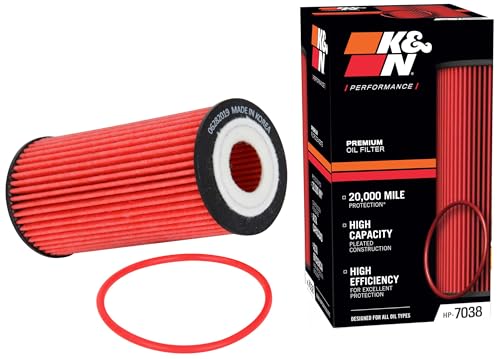
The K&N Premium Oil Filter HP-7038 is designed for high-capacity filtration and high efficiency. It features a media with uniform pleats that increases filtration surface area while maintaining robust oil flow rates. This helps keep VW engines cleaner, especially under heavy driving conditions. The filter is compatible with various VW/Audi/Porsche models from 2009 to 2023, ensuring dependable filtration performance during extended maintenance cycles. The filter’s construction emphasizes durability and reliable filtration in a compact, service-friendly design.
For VW owners using synthetic oils such as 5W-40 or 0W-30, pairing with a high-efficiency filter supports long oil-change intervals and consistent oil pressure. Follow torque specs from the vehicle manual to ensure proper seating and a leak-free seal. The HP-7038 provides a solid balance of filtration capacity and flow for demanding driving scenarios.
Volkswagen 0W-30 OEM Engine Oil

Genuine Volkswagen High Performance Genuine Engine Oil SAE 0W-30 is an OEM full synthetic engine oil designed to meet VW specification 504.00/507.00. It is listed as part number G0550301QDSP, aligning with factory service requirements for many modern VW engines. Using OEM oil supports long-life service intervals, reliable cold-start protection, and stable viscosity across temperature ranges. As an authentic VW product, it integrates with factory-installed filters and engines to provide consistent protection and performance across VW and Audi lineups, reinforcing reliability during routine maintenance and extended use alike.
OEM status often translates to closer alignment with factory tolerances, ensuring compatibility with long-life service cycles. For owners who prefer dealership-like assurance, this 0W-30 option is a strong match for newer VW gasoline engines and certain diesel variants that specify 504.00/507.00, especially in regions with variable climate and driving styles.
A-Premium 10K Miles Oil Filter

A-Premium 10K Miles Protection Spin On Oil Filter is designed to provide engine protection up to 10,000 miles and features a high-precision spin-on design. It is compatible with many VW and Audi models, delivering durable filtration and substantial debris capture. The filter uses advanced media to achieve high filtration efficiency with consistent performance. This helps maintain oil cleanliness between changes, supporting engine longevity in everyday or more demanding driving.
With a vehicle-fitment focus, the filter works across several VW platforms, including Beetle, Jetta, and Passat variants. It also emphasizes a robust seal and easy removal when performing routine maintenance. When paired with a quality oil like a European-specified synthetic, it can contribute to reliable protection through extended service intervals and variable driving conditions.
VW 06J 115 403Q Engine Filter

The Volkswagen Engine Oil Filter 06J 115 403 Q is a VW-engineered filter designed to match factory specifications. It is a genuine part that aligns with factory service intervals for compatible VW and Audi engines. While the listed features primarily note packaging dimensions and weight, the part’s OEM designation ensures proper fit, filtration performance, and reliable operation when installed according to VW service guidelines. Using an OEM VW filter helps maintain optimal oil cleanliness and engine protection during routine maintenance.
Packaging details indicate dimensions of 5.5L x 3.2W x 3H inches and weight around 1.05 pounds, with a single unit per package. This sizing information can assist in inventory planning and storage, especially for shops or enthusiasts who perform DIY oil changes on multiple VW models.
Buying Guide
Viscosity and VW specifications
Volkswagen often prescribes specific viscosity grades for different model years and engines. Newer gasoline engines commonly use 0W-30 or 0W-40, while many diesel engines rely on 5W-40 or other dedicated grades. In addition, VW 504.00/507.00 specifications support long-life service and improved fuel efficiency on many modern engines. When choosing oil, verify your exact model year and engine code in the owner’s manual or VW official specifications before purchase. Using the wrong viscosity or spec can impact cold-start protection and long-term wear.
OEM vs aftermarket filters
OEM filters guarantee exact fit and factory filtration performance, but well-made aftermarket options can offer comparable protection at a lower price. Key considerations include filtration efficiency, filter media quality, structural durability, and the presence of a reliable seal. For VW models, selecting filters that explicitly state compatibility with VW/Audi applications helps ensure correct fitment and performance across maintenance intervals.
Filter compatibility and installation
Choose filters that match your vehicle’s exact model, year, and engine type. Confirm thread size, gasket diameter, and mounting style to avoid leaks or improper seating. When installing any filter, replace the gasket and follow torque guidelines from the service manual. A clean installation reduces the risk of oil leaks and ensures consistent oil pressure after changes.
Oil selection and driving conditions
Oil choice should reflect climate, driving style, and service interval. Synthetic oils such as 0W-30 or 5W-40 perform well across a wide temperature range and support extended intervals in many VW engines. If you routinely drive in extreme heat or cold, or you engage in high-load driving, choosing a high-quality synthetic oil with proven European approvals may offer added protection and stability.
Maintenance schedules and value
While OEM recommendations guide service intervals, practical factors like climate, miles driven weekly, and maintenance history matter. High-quality oils paired with reliable filters can extend the time between services in some scenarios, while proper torque and seal integrity help prevent leaks. Consider the total cost of ownership, balancing product quality, future oil-change costs, and the reliability of OEM vs aftermarket components.
Environmental and warranty considerations
Use products that comply with local environmental regulations and respect vehicle warranty terms. Some VW warranties may require OEM parts or VW-approved lubricants; in other cases, high-quality aftermarket options are permitted. Always retain service records, receipts, and part numbers to support warranty claims if needed.