Diesel turbo cleaners are formulated to dissolve carbon buildup, free sticking vanes, and restore airflow in turbocharged diesel engines. This article rounds up five top options, highlighting how each product targets turbo, EGR, DOC, and intake systems to help diesel engines run more smoothly, with better throttle response and fuel efficiency. Below you’ll find quick product summaries, a purchasing guide, and practical considerations for choosing the right cleaner for your vehicle.
| Product | Volume | ||
|---|---|---|---|
| Wynn’s Turbo Cleaner | Wynn’s | 200 ml | Turbo geometry cleaning, foam action, restores airflow |
| Wynn’s Diesel Turbo Cleaner | Wynn’s | 500 ml | Removes carbon, cleans DOC & EGR, restores power |
| LIQUI Moly Pro-Line Diesel Intake System Cleaner | Liqui Moly | 400 ml | Clean entire intake system, reduces fuel consumption |
| JLM Diesel Turbo Cleaner | JLM | 500 ml | Reduce soot, restore engine power |
| Archoil AR6400-D | Archoil | 12 oz bottle | Cleans injectors, turbo, DPF & EGR, smoother idling |
Note: Volume and specific claims vary by product. Always follow the manufacturer’s instructions and check compatibility with your vehicle’s emission systems and warranty.
Wynn’s Turbo Cleaner — Safe For Diesel & Petrol Engines

Wynn’s Turbo Cleaner is designed to cleanse turbocharger geometry without dismantling. It targets gum, carbon, and varnish buildup deep within the turbo system and supports restoration of smooth geometry operation. A dense active foam provides extended contact time, helping to dissolve stubborn deposits such as tar, oil residues, and soot. The formula aims to restore turbo efficiency by removing obstructions that restrict airflow, potentially improving throttle response and overall engine performance at lower RPMs. Suitable for systems with diesel and petrol engines, including some DPF and EGR configurations.
Wynn’s Diesel Turbo Cleaner

This diesel-specific cleaner focuses on carbon buildup and sticking vanes within the turbocharger. It also targets residues in the Diesel Oxidation Catalyst (DOC) and the Exhaust Gas Recirculation (EGR) valve, helping to maintain cleaner emission control components. By removing deposits, it aims to restore engine power and throttle response, with potential reductions in soot production and improved combustion efficiency. The product emphasizes reinstating proper airflow through the turbo system for diesel engines.
LIQUI Moly Pro-Line Diesel Intake System Cleaner

Liqui Moly’s Pro-Line cleaner is a workshop-grade product designed to clean the entire diesel intake system. It helps reduce fuel consumption and improves reliability by removing deposits that impede airflow. While it emphasizes intake cleaning, the formulation can benefit engines experiencing carbon buildup in the intake tract, potentially leading to smoother idle and improved fuel economy over time. Compatible with common diesel systems, the product is positioned for professional or enthusiastic DIY maintenance.
JLM Diesel Turbo Cleaner
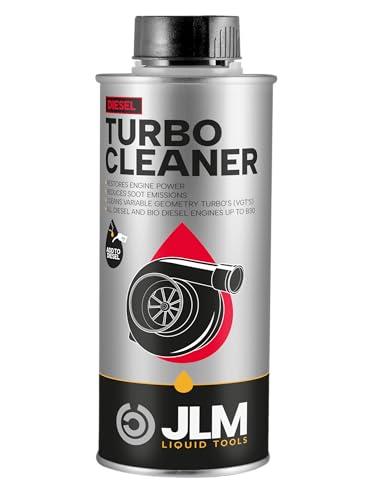
JLM’s 500 ml Diesel Turbo Cleaner is designed to reduce soot emissions and restore engine power. It targets persistent carbon buildup in the turbo and related components, aiming to improve airflow and combustion efficiency. The formulation can support quicker throttle response and better overall engine performance by addressing common bottlenecks in diesel turbo systems. It’s suitable for many modern diesel engines and can be part of regular maintenance to help sustain turbo longevity.
Archoil AR6400-D Diesel Fuel System Cleaner

Archoil AR6400-D is a diesel fuel system cleaner designed to rapidly clean injectors, turbo, DPF, and EGR systems. This cleaner focuses on restoring performance, improving fuel economy, and smoothing idling. The bottle treats a substantial volume of diesel (about 40 gallons per bottle) and is positioned as a convenient, high-concentration option that can be used at regular maintenance intervals to sustain clean fuel delivery, better combustion, and reduced emissions from the exhaust aftertreatment system.
Buying Guide
When selecting a diesel turbo cleaner, consider the following factors to align with vehicle needs and maintenance goals:
- Application scope: Some formulas target only the turbo and intake area, while others claim to clean DOC, EGR, DPF, and injectors. Match the product’s claimed targets with your vehicle’s symptoms (loss of power, smoky exhaust, rough idle, poor throttle response).
- Volume and dosing: Diesel engines vary widely in fuel and air intake capacity. Choose a product with a dosing guideline that suits your vehicle’s engine size and maintenance cadence. Higher volumes like 500 ml may be suited for periodic maintenance, while 200 ml products are often treated as quick boosts.
- Compatibility: Ensure the product is compatible with your engine type (DPF-equipped, EGR-equipped, turbocharged). Some cleaners are designed for both diesel and gasoline engines; confirm diesel suitability for your vehicle.
- Safety and materials: Check for foam stability, corrosion risk, and compatibility with seals and gaskets in the turbo and intake system. Follow safety guidelines, wear gloves, and use in a well-ventilated area.
- Application method: Some cleaners require simple pouring into fuel, others are sprayed into intake or injected via the throttle body. Follow exact instructions to avoid unintended damage.
- Warranty considerations: Some manufacturers advise checking vehicle warranties or service requirements before using certain cleaners, especially in modern engines with sensitive emission-control components.
- Long-term benefits vs. maintenance: Regular cleaning can maintain performance, but dramatic symptoms may indicate deeper issues (wear, leaks, failed actuators). Use cleaners as part of a broader maintenance plan rather than a sole solution.
In choosing a product, assess the specific symptoms your diesel engine presents, the components you want to protect, and the maintenance approach you prefer. The listed options cover a range of focuses—from turbo cleanliness and intake system maintenance to DOC/EGR/DPF care—allowing you to select a cleaner that best supports your engine’s health and performance goals.