When a cooling system develops leaks, quick, reliable sealing options are essential. Stop-leak products offer a convenient, DIY-friendly way to limit coolant loss, prevent overheating, and extend the life of the radiator, heater core, and related components. These products can help buy time between repairs by sealing small leaks and stabilizing cooling system performance, especially in aging vehicles.
Below are five highly compatible and widely available options from Bar’s Leaks, Liqui Moly, and Leak Saver, chosen for effectiveness, compatibility with various antifreeze formulations, and ease of use. Each product targets common leak points in domestic and import vehicles, including radiators, gasket seams, freeze plugs, and heater cores. Review the descriptions to pick a solution aligned with your vehicle’s age, coolant type, and leak pattern.
| Product | Brand | Type | Size | Key Benefit |
|---|---|---|---|---|
| Bar’s Leaks 16.9 Oz Radiator Stop Leak | Bar’s Leaks | Radiator Stop Leak | 16.9 oz | Liquid aluminum formula seals radiator, freeze plugs, gaskets, heater core |
| Bar’s Leaks High Mileage Cooling System Repair | Bar’s Leaks | Cooling System Repair | N/A | Antifreeze-compatible; carbon fiber formulation for extended protection |
| Bar’s Leaks 1109 Liquid Copper Block Seal | Bar’s Leaks | Liquid Copper Block Seal | 18 oz | Permanently fixes leaks; no draining required; antifreeze compatible |
| Liqui Moly Radiator Stop Leak | Liqui Moly | Radiator Stop-Leak | 250 ml | Seals leaks immediately; protects combustion chamber |
| Bar’s Leaks 1177 Radiator Stop Leak Tablets | Bar’s Leaks | Stop Leak Tablets | 1.76 oz | Inhibits rust/scale and seals leaks; OEM approved |
Bar’s Leaks 16.9 Oz Radiator Stop Leak
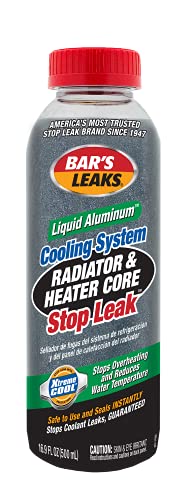
Bar’s Leaks 16.9 Oz Radiator Stop Leak uses a liquid aluminum formulation designed to seal leaks within the radiator, as well as auxiliary leak sites such as freeze plugs, gaskets, and heater cores. The formula targets common failure points found in aging cooling systems, aiming to limit coolant loss and help maintain engine temperatures during operation. This product is widely used for multi-point leaks and is commonly chosen as a first step before more extensive repairs.
Users should monitor the cooling system after application to ensure leaks have stabilized and to confirm there are no new leak paths developing. While the product is designed to address several leak types, it is not a substitute for diagnosing root causes of persistent leaks. If leaks persist after treatment, professional inspection is recommended.
Bar’s Leaks High Mileage Cooling System Repair

Bar’s Leaks High Mileage Cooling System Repair is formulated for aging engines with extensive miles on the clock. The product is designed to stop cooling system leaks and is compatible with all brands of antifreeze, including conventional green or blue formulations and extended-life red/orange or yellow (OAT/HOAT) coolants. The formulation includes a premium carbon fiber component intended to deliver extended protection by reinforcing seals over time, reducing the likelihood of recurring leaks in vulnerable passages and joints.
For vehicles with long service histories, this option can be a practical choice to restore coolant containment without immediate disassembly. It is important to consider that results can vary based on leak size, system cleanliness, and overall condition of hoses, gaskets, and radiators. Regular maintenance and monitoring after treatment help ensure ongoing performance.
Bar’s Leaks 1109 Liquid Copper Block Seal

Bar’s Leaks 1109 Liquid Copper Block Seal offers a permanent, one-step solution for cooling-system leaks. The formula uses liquid glass (sodium silicate) technology infused with copper to migrate to leaks across components such as heads, blocks, intake manifolds, gaskets, freeze plugs, radiators, heater cores, and other passages. It is designed to work without draining the cooling system, allowing for a straightforward pour directly into the radiator. The formulation is compatible with antifreeze and aims to create a durable seal that resists common operating conditions.
The product emphasizes permanence and broad applicability across materials like plastic, aluminum, and cast iron components. While it can be effective for many leak scenarios, users should ensure the leak path is within the scope of a chemical-seal solution and monitor the system after application for any changes in performance or new leaks.
Liqui Moly Radiator Stop Leak

Liqui Moly Radiator Stop Leak is a 250 ml additive designed to seal leaks in cooling and heating systems. The product is described as a quick-sealing solution that can help prevent coolant loss and potential overheating by forming a seal at the leak site. It is marketed for use in all cooling-water and heating systems, including those with or without water filters, making it broadly compatible with a range of vehicles. The additive can contribute to safeguarding the engine by limiting coolant leakage and helping maintain system pressure.
As with any stop-leak, results depend on the leak size, the system’s overall health, and the presence of any clog-prone deposits. After applying, monitor for continued leakage and consider a professional inspection if leaks persist or reappear. For vehicles with sensitive cooling components, verify compatibility with existing antifreeze and plastics before use.
Bar’s Leaks 1177 Radiator Stop Leak Tablets

Bar’s Leaks 1177 Radiator Stop Leak Tablets deliver a professional-strength formula that addresses multiple issues in one package. The tablets inhibit the formation of rust and scale, help neutralize pH imbalance, control electrolysis, lubricate moving parts, and seal both internal and external leaks as well as coolant-to-oil seepage. OEM-used and approved in various applications, these tablets are designed for ongoing protection and can be re-applied every 15,000 miles or once per year to maintain results.
Tablet-based solutions provide a convenient, portable option for maintenance and emergency use. They are especially appealing for drivers who prefer pre-measured doses or who need to carry a compact solution for field usage. As with all stop-leak products, ensure the leak is within the scope of sealing capabilities and follow up with a professional assessment for persistent or large leaks.
Buying Guide
Choosing the right cooling system stop-leak product involves balancing leak location, system type, and maintenance goals. The following considerations help clarify options and expectations:
- Leak location and type: Radiator leaks, freeze-plug leaks, gasket leaks, heater-core leaks, and block leaks each respond differently to various formulations. Identify where the leak is suspected to focus your choice.
- Product type and mechanism: Liquid sealants, copper-block seals, and tablet formats each have strengths. Liquids can reach multiple paths, copper seals offer strong, permanent sealing in many metals, and tablets provide a portable maintenance option for gradual protection.
- Antifreeze compatibility: Check whether the product is compatible with your current antifreeze (green, blue, OAT/HOAT). Some formulas require specific coolant types to achieve optimal sealing without adverse interactions.
- Material compatibility: Modern cooling systems use aluminum, copper, plastic, and various alloys. Ensure the product is compatible with the materials in your engine to avoid chemical reactions or corrosion.
- Ease of use and maintenance: One-step pourables are convenient for quick fixes, while tablets or multi-dose formats offer portability and staged maintenance. Consider how easy it is to administer and monitor after use.
- Potential residue and clogging: Some sealants can leave deposits. If your cooling system has delicate passages, ensure the product is designed to minimize clog risks and inspect components after treatment.
- Root-cause assessment: Stop-leak products are typically best for minor leaks or temporary containment. Persistent, large, or high-output leaks usually require professional diagnosis and repair to address the underlying problem.
- OEM approvals and warranty impact: Some products are OEM-used or approved and may align with manufacturer expectations. Confirm that treatment doesn’t void any warranty or service agreement.
- Cost vs. benefit: Weigh the immediate convenience and potential delayed downtime against the cost and the likelihood of needing future repairs. A targeted fix now may reduce overall downtime later.
- Safety and handling: Follow product labeling for handling, ventilation, and disposal. If you have a restricted environment or sensitive equipment, review safety data sheets and consult a professional if unsure.
Why choose a liquid sealant vs tablets or a copper block seal
- Liquid sealants are typically versatile, reaching multiple leak paths in the cooling system and offering a quick, easy option for many common leaks.
- Copper block seals can provide a permanent fix for a broad range of leak paths but rely on the sealant migrating to the exact leak site and may be more effective on metal-containing components.
- Tablets provide portability and pre-measured dosing, offering convenient maintenance for ongoing protection, especially in vehicles with known recurring issues.