Choosing the right conventional engine oil helps protect your engine, reduce deposits, and maintain performance between oil changes. This guide highlights five widely available conventional oils, focusing on protection, viscosity, and compatibility with typical American vehicles. Each product section includes essential features drawn from the manufacturer’s descriptions to help you compare at a glance.
Summary of chosen products:
| Product | Brand | Key Features |
|---|---|---|
| Castrol GTX 10W-30 Conventional Motor Oil, 5 Quarts | Castrol | Viscosity protection, sludge defense, high-quality base oils and anti-wear additives |
| Pennzoil 10W-30 Motor Oil, 1-Quart | Conventional | Pack of 2 | Pennzoil | Keeps engines clean, proven wear protection in tests |
| Castrol GTX 10W-40 Conventional Motor Oil, 5 Quarts | Castrol | Viscosity/thermal protection, sludge protection, premium base oils |
| Castrol GTX 20W-50 Conventional Motor Oil, 5 Quarts | Castrol | Manufacturer-recommended use, strong protection against breakdown, TriShield deposit protection |
| Valvoline Daily Protection 10W-30 Conventional Motor Oil 1 Quart | Valvoline | Everyday wear protection, high-temp protection, good cold-start flow |
Castrol GTX 10W-30 Conventional Motor Oil, 5 Quarts

Castrol GTX 10W-30 is a conventional motor oil designed to provide robust protection against viscosity and thermal breakdown. It emphasizes superior protection against engine sludge and uses premium base oils with anti-wear additives to support engine longevity. This formulation aims to keep engines clean and performing reliably across typical driving conditions in American vehicles.
Key considerations include compatibility with a broad range of engines that call for 10W-30 viscosity and the need for regular oil changes. While not a synthetic blend, GTX 10W-30 is formulated to offer strong protection in day-to-day driving and moderate temperature ranges, making it a common choice for many older and newer gasoline engines alike.
Pennzoil 10W-30 Motor Oil, 1-Quart | Conventional | Pack of 2
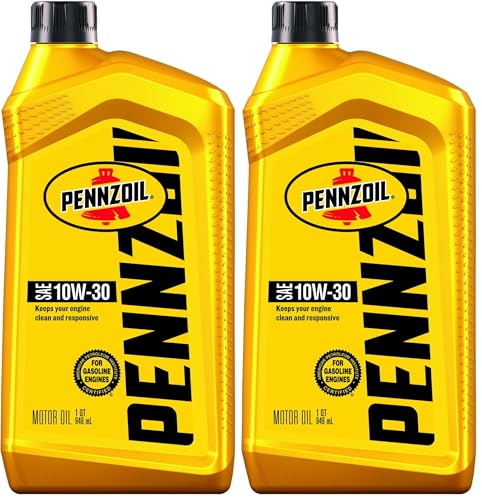
Pennzoil 10W-30 Conventional Motor Oil aims to keep engines clean and responsive, with wear protection validated in testing (Sequence IVA) for SAE 5W-30 as a reference. Pack-of-two convenience makes it a practical option for households performing scheduled oil changes. It is designed for everyday driving and aligns with typical 10W-30 viscosity requirements in many American vehicles.
When considering Pennzoil, assess your vehicle’s manual for recommended viscosity. This conventional oil emphasizes cleanliness and wear protection without synthetic additives, offering reliable protection for routine driving and older engines that benefit from a straightforward oil formulation.
Castrol GTX 10W-40 Conventional Motor Oil, 5 Quarts

Castrol GTX 10W-40 provides strong protection against viscosity and thermal breakdown, with emphasis on safeguarding against sludge formation and deposits. The 10W-40 viscosity offers a balance between cold-start performance and high-temperature stability, potentially benefiting engines operating in warmer climates or with higher mileage that require slightly thicker protection than 10W-30 variants.
As with any oil selection, follow the vehicle manufacturer’s recommendations for viscosity. This product targets drivers seeking dependable protection with a traditional 10W-40 grade, commonly suitable for a broad range of gasoline engines found in American cars.
Castrol GTX 20W-50 Conventional Motor Oil, 5 Quarts

Castrol GTX 20W-50 is a thicker, conventional oil designed for high-temperature conditions or older engines that benefit from extra film strength. It emphasizes following the manufacturer’s recommendations in the vehicle owner’s manual and offers maximum protection against viscosity and thermal breakdown. The TriShield technology described in the product features helps provide superior deposit protection.
Consider this option if your vehicle requires or tolerates a heavier oil for heat management, or if you drive in hot climates or under heavy load. Always verify compatibility with your engine’s design and maintenance history before selecting a 20W-50 viscosity.
Valvoline Daily Protection 10W-30 Conventional Motor Oil 1 Quart
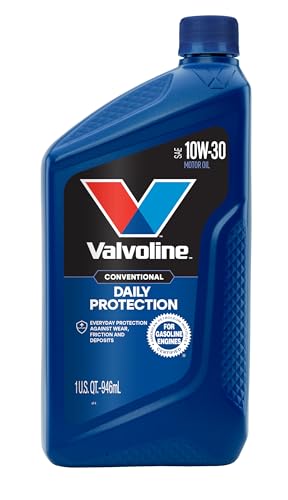
Valvoline Daily Protection 10W-30 is a conventional formula aimed at everyday engine protection against wear, deposits, and sludge. It provides high-temperature protection to resist breakdown in severe engine environments and flows easily in low temperatures, reducing wear during cold starts. This makes it suitable for vehicles driven in varying climates and daily commuting.
When selecting Valvoline, evaluate whether your driving patterns involve frequent short trips or extreme cold starts, where good low-temperature flow matters. This oil seeks to deliver reliable protection for routine driving without the complexities of synthetic blends.
Buying Guide: Key Purchase Considerations for Conventional Engine Oil
- Viscosity and climate: Common choices like 10W-30 or 10W-40 balance cold-start flow with high-temperature stability. Consider your climate and driving habits; hotter climates may benefit from higher viscosities like 20W-50 in older engines, while cold climates favor thinner grades for easier starts.
- Engine type and age: Conventional oils are generally suitable for many gasoline engines, especially older models or those not requiring synthetic blends. Check your owner’s manual for viscosity and specification guidelines.
- Protective additives: Look for anti-wear additives and detergents that reduce sludge buildup and keep metal surfaces protected. Some brands emphasize deposit control and sludge protection as core features.
- Oil change interval: Conventional oils typically require changes at standard intervals defined by the vehicle manufacturer. Adhere to maintenance schedules to maximize protection and performance.
- Brand and availability: Castrol, Pennzoil, Valvoline, and similar brands offer reliable conventional oils with consistent formulations. Availability in your region and kit options (single bottle vs. packs) can influence your choice.
- Performance in hot vs. cold climates: If you operate in extreme temperatures, consider how viscosity and base oil quality affect protection during starts and under load.
- Vehicle-specific considerations: Some engines benefit from a slightly thicker or thinner conventional oil based on age, mileage, and service history. Always align with manufacturer recommendations when possible.
Overall, conventional engine oils provide dependable protection for daily driving, offering straightforward performance without synthetic blends. By comparing viscosity, protective features, and compatibility with your engine’s requirements, you can select a conventional oil that maintains engine cleanliness and reliability between changes.