Transform your car’s interior with high-quality automotive carpet padding designed to reduce noise, improve thermal comfort, and extend the life of flooring. This guide highlights top padding options, focusing on lightweight under-carpeting composites, jute padding, and closed-cell foams suitable for trucks, cars, and SUVs. Each product is chosen for durability, ease of installation, and effective insulation. Read on to compare features and choose padding that best fits your ride. The summary table below gives a quick overview of the five highlighted products.
| Product | Brand | Key Benefit | Sample Feature |
|---|---|---|---|
| Design Engineering 050110 Under Carpet Lite | Design Engineering | Thermal insulation with lightweight construction | Insulates up to 85% of unwanted heat |
| Automotive Jute Carpet Padding 20 oz | Bry-Tech Furniture1 | Vibrations and noise reduction | Great automotive padding for trucks |
| Automotive Jute Carpet Padding 27 oz | Bry-Tech Furniture1 | Enhanced padding density | Minimizes vibration and noise |
| Siless Liner 157 (4 mm) | Siless | Waterproof, flexible, high thermal barrier | Blocks 98% radiant heat transfer |
| Halero 78×40 Underfelt Carpet | Halero | Durable underfelt for multiple uses | Can be used for speakers, trunks, and more |
Design Engineering 050110 Under Carpet Lite
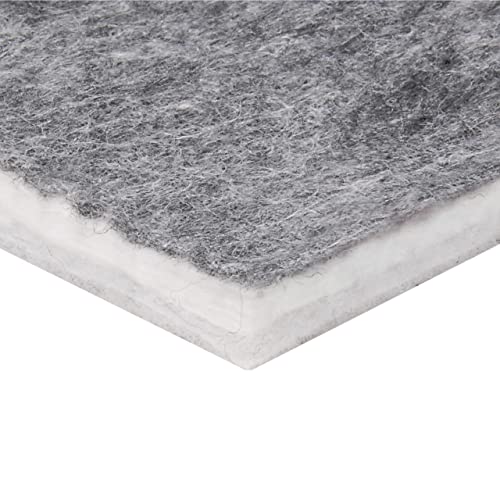
Product overview: This multi-layered, lightweight under-carpeting composite is engineered for maximum thermal insulation. It’s highly flexible, making it suitable for installation under carpet in trucks, door liners, headliners, and rear decks. The material helps insulate up to 85% of unwanted heat, contributing to a more comfortable cabin regardless of outside temperatures. Its high-tech construction supports easier handling during installation while delivering measurable acoustic and thermal benefits. The under-carpeting approach reduces heat transfer and can extend the life of carpet materials by minimizing expansion and contraction with temperature changes.
Key considerations:
– Thermal performance: The product targets heat reduction, improving cabin comfort.
– Flexibility: Its pliability allows shaping around irregular areas and complex carpet layouts.
– Application scope: Suitable for multiple interior surfaces beyond the floor, including headliners and door panels.
– Installation: Lightweight design aims to facilitate DIY installation without specialized equipment.
– Durability: Aims for long-term performance under typical automotive use.
Automotive Jute Carpet Padding 20 oz
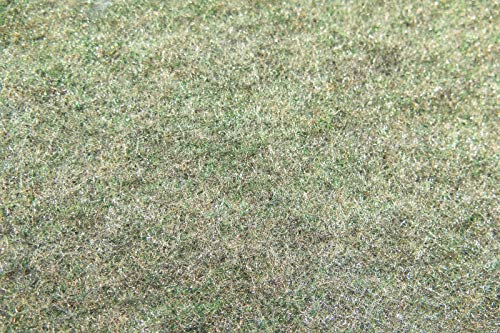
Product overview: This padding uses jute-based fibers to cushion beneath automotive carpet. It’s designed to minimize vibration and vehicle noise, contributing to a quieter ride. The padding is described as ideal for automotive and truck applications, offering a balance between density and flexibility. Jute padding can improve floor stability and help the carpet wear evenly over time, reducing creasing and shifting that occurs with everyday driving. The material is typically compatible with standard carpet installations and can be cut to fit around distinctive floor shapes.
Key considerations:
– Noise reduction: Jute padding can dampen vibrations and reduce tire and road noise.
– Density and cut-ability: Designed to be workable for various car models and floor plans.
– Durability: Intended for repeated use under normal driving conditions.
– Installation: Suited for do-it-yourself installation with basic tools.
– Compatibility: Works with common automotive carpeting materials.
Automotive Jute Carpet Padding 27 oz
Product overview: A denser variant of jute padding designed for under-carpet installation. It shares the same objective of reducing vibration and vehicle noise while remaining adaptable to a range of automotive floor shapes. The 27 oz specification indicates a higher density, which may enhance sound dampening and floor feel. It’s positioned as a practical solution for drivers who want improved cabin quietness without adding excessive weight to the vehicle.
Key considerations:
– Density vs. weight: Higher oz rating suggests more padding mass and potential noise reduction.
– Versatility: Suitable for different vehicle types and floor layouts.
– Comfort impact: Users may notice a difference in the floor’s tactile feel and quietness.
– Installation: Suitable for standard car interior installations with common tooling.
– Longevity: Designed for long-term performance under typical driving conditions.
Siless Liner 157 (4 mm)
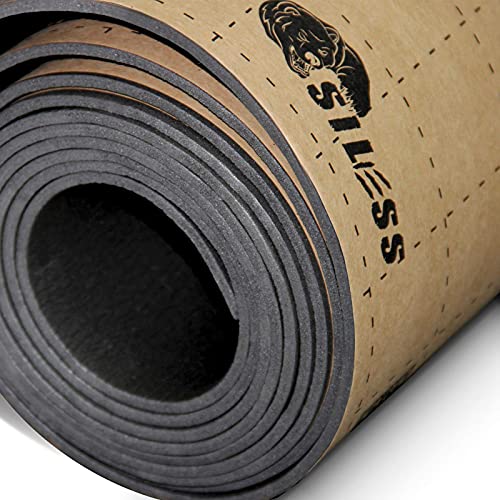
Product overview: Siless Liner is a closed-cell foam insulation liner with an adhesive layer for straightforward installation. It acts as both a heat barrier and a vibration deadener, claimed to block a substantial portion of radiant heat. The 4 mm thickness provides a balance between insulation and ease of handling, making it suitable for a wide range of vehicle floors and interior panels. The material’s closed-cell structure helps resist moisture absorption and odor, contributing to a durable, low-maintenance solution for interior insulation.
Key considerations:
– Thermal and acoustic performance: Notable for heat blocking and noise reduction.
– Adhesive backing: Simplifies installation by enabling a peel-and-stick approach.
– Moisture resistance: Closed-cell design helps prevent moisture intrusion.
– Weight and thickness: 4 mm thickness adds insulation without excessive bulk.
– Compatibility: Works with many automotive carpet installations and other interior linings.
Halero 78×40 Underfelt Carpet

Product overview: Halero’s underfelt carpet provides a durable, versatile padding solution. The 78×40 inch footprint covers substantial floor areas, offering broad usability across different vehicle makes and models. The product description highlights suitability for multiple applications, including speaker and sub-box installations, trunk liners, and other interior padding tasks. The material is designed to withstand regular use and provide a stable base for carpet or lining materials, contributing to a quieter and more comfortable interior.
Key considerations:
– Coverage: Large dimensions reduce seams and edge gaps.
– Durability: Built to withstand heavy use and maintain shape.
– Multi-use: Applicable for a variety of interior padding tasks beyond carpet.
– Installation: Flexible handling to fit irregular spaces.
– Acoustic and thermal impact: Aims to improve interior acoustics and comfort.
Design Engineering 050113 Under Carpet Lite
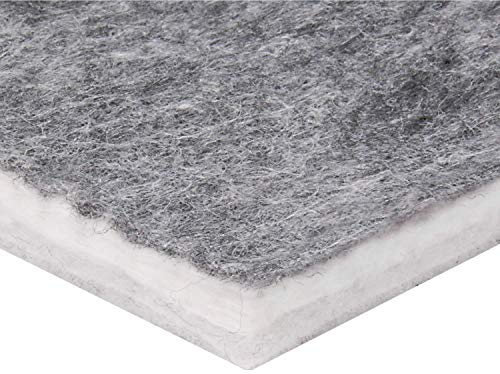
Product overview: Another entry from Design Engineering featuring under-carpet insulation with a universal fit and lightweight construction. It emphasizes a superior noise barrier, complementing the product family’s aim of reducing sound transmission from road and engine. The universal fit suggests compatibility across a wide range of vehicles, making it a flexible option for DIY installers seeking a quiet, comfortable ride.
Key considerations:
– Fit type: Universal compatibility broadens application scope.
– Weight: Lightweight design eases handling during installation.
– Noise reduction: Intended to act as an additional layer to suppress interior noise.
– Thermal insulation: Supports temperature regulation inside the cabin.
– Visual and tactile performance: Contributes to a refined interior feel over the carpet.
Buying Guide: Key Purchase Considerations And Comparisons
When choosing automotive carpet padding, consider the following perspectives to balance comfort, insulation, and practicality:
- Thermal and acoustic performance: If you drive in extreme temperatures or desire a quiet cabin, prioritize products with strong heat transfer resistance and sound dampening characteristics (e.g., closed-cell foams or multi-layer composites).
- Density and thickness: Denser padding often yields better vibration reduction but can add weight. Choose thickness based on the vehicle’s floor design and the level of comfort desired.
- Material type: Jute padding provides good vibration dampening and cost efficiency, while closed-cell foams deliver superior moisture resistance and a moisture barrier when moisture exposure is a concern.
- Ease of installation: Adhesive-backed liners and flexible foams simplify DIY installation. For larger areas, consider products with wide coverage and fewer seams to minimize gaps.
- Durability and moisture: Closed-cell materials resist moisture and odor, reducing risk of mold in damp climates. Pads in open or high-humidity environments benefit from water-resistant designs.
- Vehicle compatibility: Look for universal fit options or product dimensions matching your floor plan. Larger underfelt sheets can reduce seams but may require cutting to fit.
- Cost vs. performance: Higher-density padding and closed-cell foams generally offer better long-term performance, though at a higher upfront cost. Consider the overall value for your use case.
- Application area: While many pads target floors, some products are also suitable for trunk liners, speaker areas, or headliners. Align padding choice with intended installation zones.
In summary, for best overall performance, combine a light yet effective thermal barrier with strong acoustic dampening. For rugged vehicles or frequent extreme conditions, prioritize higher density and moisture-resistant materials. Finally, ensure the padding can be cut to fit your car’s unique floor plan and that installation methods match your DIY comfort level.