Choosing the right buffer polisher can dramatically improve paint aesthetics, remove oxidation, and restore a showroom shine. This guide highlights five reliable models based on power, speed versatility, ergonomics, and user safety. Each option includes key features to help you compare performance, durability, and value for money.
Summary of Selected Products
- LDHTHOPI Buffer Polisher — 1600W, 7/6 inch, 1000–3500 RPM, detachable handles
- GEVEELIFE Buffer Polisher — 1600W, 6/7 inch, 1000–3500 RPM, detachable handles
- DEWALT Buffer Polisher — 12 amp, 7–9 inch, 0–3500 RPM, soft start
- ZOTA Buffer Polisher — 1600W, 7/6 inch, 1000–3500 RPM, long power cord
- WEN Waxer/Polisher — 120V, 3500 RPM, compact design
LDHTHOPI Buffer Polisher Overview

The LDHTHOPI buffer polisher uses a robust 1600W motor designed for efficient removal of oxidation, scratches, and stains. With a 7-speed range from 1000 to 3500 RPM, it covers delicate polishing to heavy decontamination. The available D-handle or side handle options improve control during extended sessions, offering ergonomic versatility for different user preferences.
GEVEELIFE Buffer Polisher — 1600W Power

The GEVEELIFE model features a 1600W motor with a built-in constant-power control board to minimize overheating during extended sessions. It offers seven speed settings (1000–3500 RPM) and a light build (about 4.5 lbs) with detachable D-handle and a side handle. A safety switch lock helps reduce fatigue while maintaining consistent speed.
DEWALT Buffer Polisher – Durable Choice

The DEWALT buffer polisher is built with ball-bearing construction, precision-cut steel gears, and a rubber overmoulded gearcase for comfort. The variable speed trigger allows precise control of the polishing process, enabling a wide range of finishes from gentle to aggressive. Its robust design supports professional use in varying conditions.
ZOTA Buffer Polisher — Power and Range

The ZOTA buffer polisher uses a 1600W full copper motor to deliver strong performance for removing oxidation and scratches. It offers seven speed settings (1000–3500 RPM) and a long 13.1 ft upgraded power cord for extended reach. The copper motor design emphasizes durability and long service life in demanding jobs.
WEN 6010 Waxer/Polisher — Compact Power
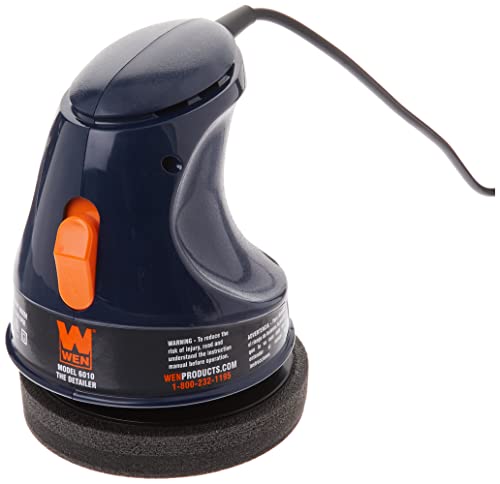
The WEN 6010 provides a compact option with a 120V, 0.5-amp motor and 3500 RPM, suitable for smaller detailing tasks or light restoring jobs. Its ergonomic palm-and-body grip design supports comfortable use in shorter sessions, making it a practical entry point for DIY detailers.
Buying Guide: Key Purchase Considerations
- Power and motor design: Look for a 1200–1600W range with a copper motor when durability and consistent performance matter. Copper windings generally offer longer life under load.
- Speed range and control: Seven speeds (or more) allow you to select appropriate RPM for different surfaces, from gentle waxing to heavy decontamination. A soft start helps prevent pad bounce at start.
- Ergonomics and handling: Detachable D-handles or side handles improve grip and control, especially during extended sessions. Weight under 6 pounds is advantageous for prolonged use.
- Cooling and overheating protection: Models with constant-power boards or built-in cooling features help maintain performance and prevent motor burnout during long polishing jobs.
- Pad compatibility and versatility: Confirm compatibility with standard 5–6 inch and 7 inch pads. Some units include multiple accessories, improving value for beginners and pros alike.
- Corded vs cordless: Corded units deliver steady power; cordless kits (with compatible batteries) offer greater mobility but depend on battery life and weight considerations.
- Durability and maintenance: Rubberized gearcases and ball-bearing construction contribute to longevity and smoother operation over time. Consider warranty coverage when evaluating value.
Usage Scenarios and Perspective
For daily drivers and weekend detailers, a 1600W corded polisher with variable speeds supports a wide range of tasks without overheating. For professionals handling multiple vehicles daily, a robust design with long cords or battery flexibility (as seen in cordless kits) reduces downtime. Beginners may prefer lighter models with protective safety features and straightforward operation, especially those with detachable handles to adjust grip as skills grow.
Maintenance and Safety Tips
- Always wear eye protection and a respirator when working on painted surfaces or removing oxidized layers.
- Use the correct polish pad and product for the job; switch pads as needed to avoid marring surfaces.
- Inspect cords and connectors for wear; replace damaged components promptly to prevent safety hazards.
- Allow the tool to cool after extended use; never force the polisher into a high-speed setting beyond the material’s tolerance.
Choosing the right buffer polisher depends on power needs, desired finish, weight, and comfort level. The models listed above provide a spectrum of options suitable for various skill levels and vehicle types, from domestic cars to larger boats. Evaluate each feature against your detailing goals to determine the best long-term investment for consistent, professional-grade results.